
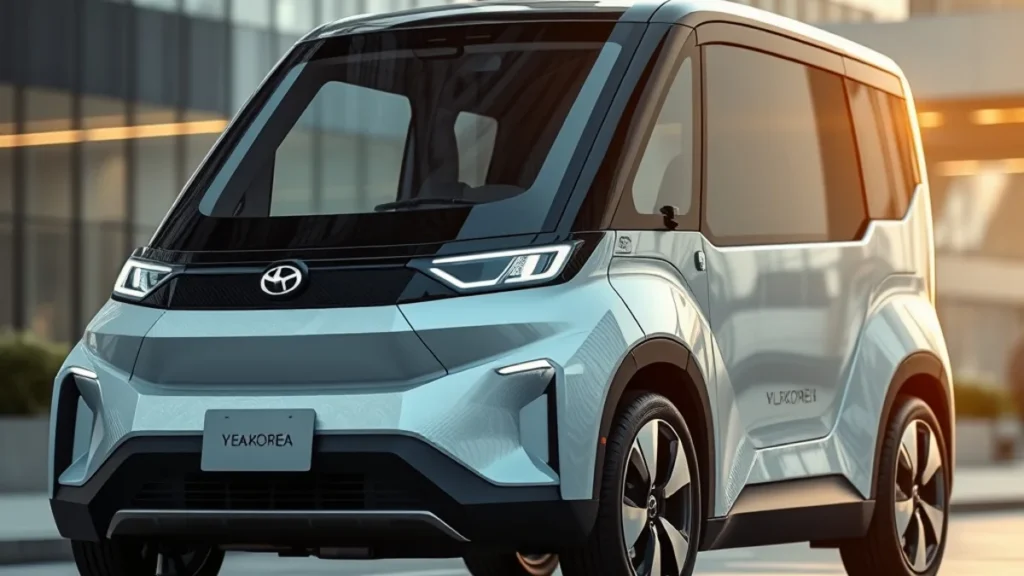
As the global electric vehicle (EV) market accelerates, South Korea faces a daunting challenge: a potential erosion of 2.2 trillion won in EV exports over the next four years, largely due to intensified competition from China. This looming threat underscores the need for South Korean automakers to innovate and adapt in an increasingly competitive landscape.
China’s Strategic Push into the EV Market
China’s aggressive expansion into the EV sector is not merely a trend; it is a well-coordinated strategy that leverages its vast manufacturing capabilities, government support, and a rapidly growing domestic market. With companies like BYD, NIO, and Xpeng leading the charge, Chinese automakers are rapidly scaling production and enhancing their technological prowess. The Chinese government has invested heavily in EV infrastructure, including charging stations and battery technology, creating an ecosystem that supports both manufacturers and consumers.
In 2022 alone, China accounted for over 60% of global EV sales, a figure that continues to rise as domestic brands gain international recognition. This surge is not just about volume; it’s also about innovation. Chinese manufacturers are increasingly focusing on advanced battery technologies, autonomous driving capabilities, and smart vehicle integration, setting a high bar for competitors worldwide.
The South Korean Response: Innovation or Stagnation?
South Korea’s automotive giants, such as Hyundai and Kia, have traditionally been strong players in the global market, but the rapid evolution of the EV landscape presents both a challenge and an opportunity. While these companies have made significant strides in EV development, including the introduction of models like the Hyundai Ioniq 5 and Kia EV6, they must now accelerate their innovation cycles to keep pace with Chinese competitors.
Hyundai’s commitment to investing 95 trillion won (approximately $82 billion) in electrification by 2025 is a positive sign, but the question remains: is it enough? The company must not only enhance its vehicle offerings but also focus on reducing production costs and improving supply chain efficiencies. As battery technology evolves, securing partnerships with battery manufacturers and investing in local production facilities will be crucial for maintaining a competitive edge.
Market Dynamics: Pricing Strategies and Consumer Preferences
Pricing remains a critical battleground in the EV market. Chinese manufacturers have demonstrated a remarkable ability to offer high-quality vehicles at competitive prices, often undercutting their South Korean counterparts. For instance, the BYD Han and the NIO ES6 offer impressive features and performance at price points that challenge the Hyundai Ioniq 6 and Kia EV6.
Consumer preferences are also shifting. Today’s EV buyers are not only looking for range and performance but also value-added features such as advanced driver-assist systems, connectivity, and sustainability. South Korean automakers must refine their marketing strategies to highlight these attributes while ensuring that their vehicles remain affordable. The introduction of government incentives for EV purchases can also play a pivotal role in shaping consumer choices, making it imperative for automakers to stay informed about policy changes.
Technological Advancements: Battery Innovations and Range Improvements
At the heart of the EV revolution lies battery technology. South Korean firms like LG Chem and Samsung SDI are recognized for their cutting-edge battery solutions, yet the pace of innovation in China is formidable. Chinese companies are investing heavily in solid-state batteries and other next-generation technologies that promise to enhance energy density, reduce charging times, and extend vehicle range.
For South Korean automakers, the challenge is to not only keep up with these advancements but to lead in certain aspects. Collaborations with tech firms and research institutions can facilitate breakthroughs that enhance battery performance and longevity. Additionally, developing proprietary technologies that differentiate their products from the competition will be essential in maintaining market share.
Global Supply Chains: Navigating Challenges and Opportunities
The COVID-19 pandemic exposed vulnerabilities in global supply chains, impacting the automotive industry significantly. South Korean automakers, reliant on imported components, faced disruptions that affected production schedules and vehicle availability. As competition from China intensifies, establishing more resilient supply chains will be crucial for South Korea.
Investing in local sourcing and diversifying supply sources can mitigate risks associated with geopolitical tensions and trade disputes. Moreover, enhancing domestic manufacturing capabilities will not only reduce dependency on imports but also create jobs and stimulate the local economy. As the EV market continues to grow, the ability to adapt supply chains swiftly will be a key determinant of success.
In conclusion, the potential loss of 2.2 trillion won in South Korean EV exports due to Chinese competition is a wake-up call for the industry. It underscores the urgent need for innovation, strategic pricing, and robust supply chain management. By leveraging their strengths and addressing these challenges head-on, South Korean automakers can not only survive but thrive in the competitive EV landscape.
To stay ahead of electric vehicle market shifts, smart ownership tips, and automotive insurance strategies, continue reading our Auto & Mobility section below.
This article is provided for general informational purposes only and does not constitute financial, tax, legal, or medical advice. Consult a qualified professional before making decisions based on this content.