
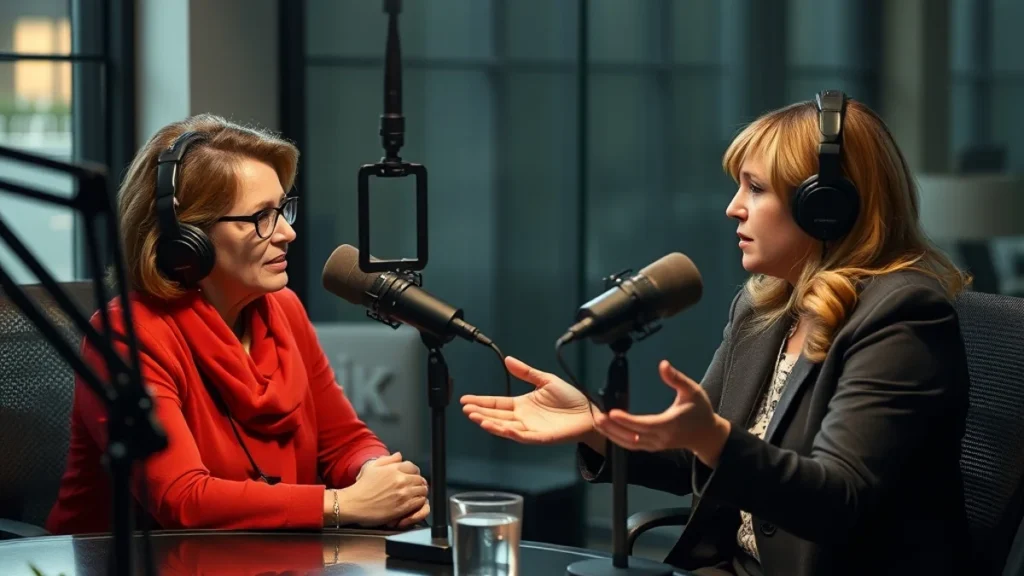
In an era where economic uncertainty looms large, the question of how much money one truly needs to retire has never been more pertinent. Financial journalist Jean Chatzky, alongside Michelle Singletary on the podcast “Dollars & Sense,” delves into the complexities of retirement planning, offering insights that resonate with high-income professionals and retirees alike. With market fluctuations and shifting economic policies, understanding the nuances of retirement savings is crucial for achieving financial independence.
Understanding Retirement Savings: The New Paradigm
The traditional notion of retirement savings often revolved around the “multiply by 25” rule, suggesting that individuals should aim to save 25 times their annual expenses to retire comfortably. However, Chatzky argues that this model is outdated, particularly in today’s volatile economic landscape. Factors such as increased life expectancy, rising healthcare costs, and inflation necessitate a more tailored approach to retirement planning.
According to a recent report from the Employee Benefit Research Institute, nearly 40% of American households are at risk of not having enough savings to maintain their standard of living in retirement. This statistic underscores the importance of personalized financial strategies that account for individual circumstances, including lifestyle choices, health considerations, and potential income sources during retirement.
The Role of Social Security and Pensions in Retirement Planning
One of the most significant components of retirement income is Social Security, yet many individuals underestimate its impact. Chatzky emphasizes the need to understand the intricacies of Social Security benefits, including the optimal age to start claiming them. Delaying benefits can lead to a substantial increase in monthly payouts, which can significantly enhance retirement security.
Additionally, for those fortunate enough to have pensions, it is crucial to assess how these fixed-income sources fit into the broader retirement strategy. The National Institute on Retirement Security reports that pensions provide a stable income stream for retirees, yet only 18% of private-sector workers have access to such plans. Therefore, understanding the interplay between Social Security, pensions, and personal savings is essential for constructing a robust retirement framework.
Investment Strategies for a Secure Retirement
Investment choices play a pivotal role in retirement planning. Chatzky advocates for a diversified portfolio that balances risk and growth potential. With interest rates at historic lows and market volatility a constant concern, retirees must consider both traditional and alternative investment vehicles. This includes equities, bonds, real estate, and potentially even cryptocurrencies, depending on individual risk tolerance.
Moreover, the concept of asset allocation becomes increasingly important as individuals approach retirement age. A well-structured portfolio should gradually shift from growth-oriented investments to more conservative assets, ensuring that retirees can weather market downturns without jeopardizing their financial security. The 60/40 rule—60% in stocks and 40% in bonds—has been a longstanding guideline, but Chatzky suggests that a more nuanced approach, tailored to personal circumstances and market conditions, may yield better results.
Healthcare Costs: The Silent Retirement Killer
Healthcare expenses are often the most underestimated costs in retirement planning. According to Fidelity’s annual retiree health care cost estimate, a 65-year-old couple retiring in 2023 can expect to spend approximately $300,000 on healthcare throughout their retirement. This figure does not include long-term care, which can further strain financial resources.
Chatzky advises individuals to proactively plan for these expenses by exploring options such as Health Savings Accounts (HSAs) and long-term care insurance. HSAs, which offer tax advantages for medical expenses, can be a strategic tool for managing healthcare costs in retirement. Furthermore, understanding Medicare options and potential out-of-pocket expenses is vital for creating a comprehensive retirement budget that accounts for healthcare needs.
Tax Strategies to Maximize Retirement Income
Taxation is an often-overlooked aspect of retirement planning that can significantly impact net income. Chatzky highlights the importance of understanding tax-efficient withdrawal strategies from retirement accounts. For instance, withdrawing from tax-deferred accounts like Traditional IRAs before tapping into Roth IRAs can minimize tax liabilities and maximize retirement income.
Additionally, retirees should consider the implications of required minimum distributions (RMDs) from retirement accounts, which can push individuals into higher tax brackets. Strategic planning around RMDs, along with charitable contributions and tax-loss harvesting, can enhance overall financial health in retirement.
As the conversation around retirement evolves, it is clear that a one-size-fits-all approach is no longer viable. High-income professionals and retirees must take a proactive stance in their financial planning, leveraging insights from experts like Jean Chatzky to navigate the complexities of retirement savings. By understanding the interplay of Social Security, investment strategies, healthcare costs, and tax implications, individuals can craft a personalized roadmap to financial independence.
For more practical guides on wealth preservation, retirement strategies, and federal benefit updates, continue exploring our Smart Money coverage below.