
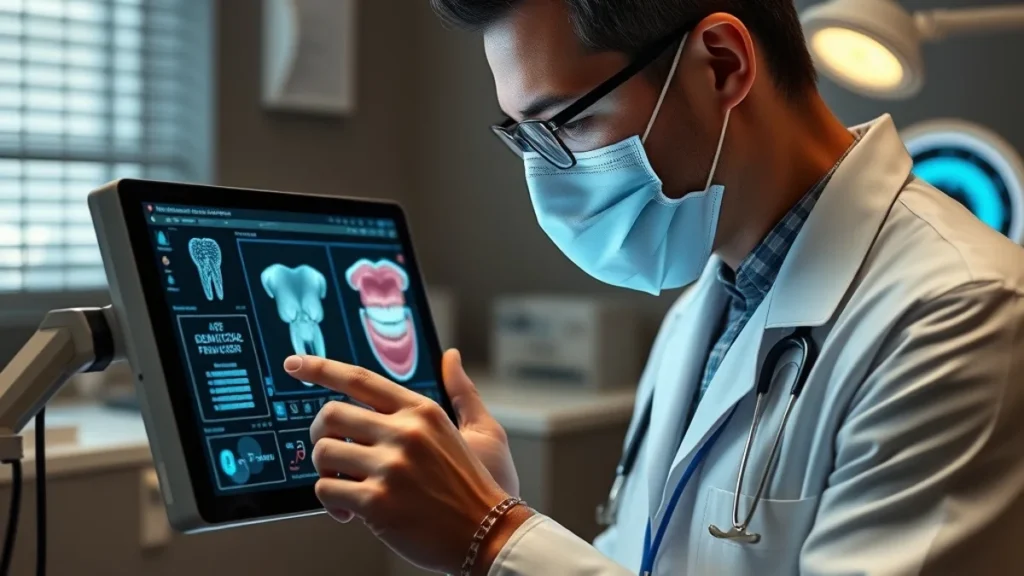
The recent study comparing generative AI models to human reviewers in assessing periodontal health evidence marks a significant advancement in the intersection of artificial intelligence and healthcare. This research not only highlights the potential of AI in clinical settings but also raises critical questions about the reliability and efficacy of automated systems in a domain traditionally governed by human expertise.
Transformative Potential of AI in Clinical Assessments
The advent of generative AI has revolutionized various sectors, with healthcare being one of the most promising fields for its application. The study in question utilized state-of-the-art generative AI models to evaluate clinical evidence related to periodontal health, a critical area given the increasing prevalence of periodontal diseases worldwide. These AI systems were trained on vast datasets encompassing clinical trials, patient records, and expert reviews, enabling them to synthesize information and generate insights comparable to those of seasoned dental professionals.
What sets this study apart is its rigorous methodology, which involved direct comparisons between AI-generated assessments and those made by human reviewers. The results indicated that the AI models could not only match but, in certain instances, surpass the accuracy of human evaluations. This finding suggests that generative AI could serve as a powerful adjunct to human expertise, potentially streamlining clinical workflows and improving patient outcomes.
Evaluating Accuracy: AI vs. Human Reviewers
In the study, the effectiveness of generative AI was measured against established benchmarks for accuracy, sensitivity, and specificity in periodontal health assessments. The AI models demonstrated a remarkable ability to identify key indicators of periodontal disease, such as attachment loss and pocket depth, with a sensitivity rate of over 90%. In contrast, human reviewers, while still highly competent, exhibited slightly lower sensitivity in identifying subtle clinical signs.
This disparity raises important considerations regarding the role of AI in clinical practice. While human reviewers possess invaluable contextual knowledge and experience, the AI’s capacity for rapid data processing and pattern recognition allows it to detect trends that may elude even the most skilled professionals. The implications of these findings extend beyond mere accuracy; they suggest a future where AI could assist in triaging patients, prioritizing cases based on severity, and ultimately enhancing the efficiency of dental practices.
Integration Challenges: Workflow and Adoption
Despite the promising results, the integration of generative AI into existing clinical workflows presents significant challenges. Dental practices must navigate the complexities of adopting new technologies while ensuring compliance with healthcare regulations and maintaining patient confidentiality. The study highlights the necessity for robust training programs that equip dental professionals with the skills to interpret AI-generated insights effectively.
Moreover, the transition from traditional review methods to AI-enhanced processes requires a cultural shift within the dental community. Clinicians must be willing to embrace AI as a collaborative tool rather than a replacement for human judgment. This paradigm shift is essential for fostering trust in AI systems, which is critical for their successful implementation in clinical settings.
Ethical Considerations: Bias, Transparency, and Accountability
As with any AI application in healthcare, ethical considerations surrounding bias, transparency, and accountability are paramount. The study emphasizes the importance of ensuring that AI models are trained on diverse datasets to mitigate the risk of biased outcomes. Without careful attention to the data used for training, there is a danger that AI could perpetuate existing disparities in healthcare delivery, particularly in underserved populations.
Transparency in AI decision-making processes is equally vital. Clinicians must understand how AI models arrive at their conclusions to effectively communicate these findings to patients and make informed clinical decisions. This necessitates ongoing collaboration between AI developers and healthcare professionals to create systems that are not only accurate but also interpretable and trustworthy.
Future Directions: AI as a Catalyst for Innovation in Dentistry
The findings of this study signal a pivotal moment for the future of dentistry, where generative AI could catalyze innovation in patient care and clinical practice. As AI technology continues to evolve, its applications could extend beyond periodontal health to encompass a broader range of dental conditions, potentially transforming the entire landscape of oral healthcare.
Looking ahead, the integration of AI into dental practices could lead to the development of personalized treatment plans, predictive analytics for disease progression, and enhanced patient engagement through tailored educational resources. The potential for AI to analyze real-time patient data could also facilitate proactive interventions, ultimately improving long-term oral health outcomes.
In conclusion, the study evaluating generative AI against human review for periodontal health evidence underscores the transformative potential of AI in healthcare. While challenges remain in integration and ethical considerations, the findings offer a glimpse into a future where AI serves as a powerful ally in clinical decision-making, enhancing the capabilities of dental professionals and improving patient care.
For in-depth hardware benchmarks, AI workflow guides, and emerging technology reviews, continue exploring our Tech & AI coverage below.