
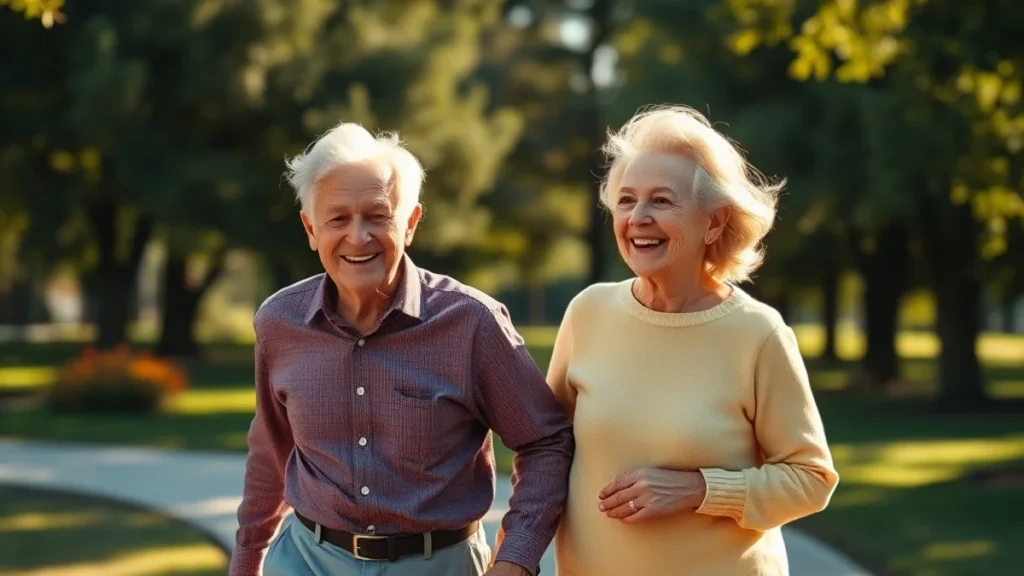
Centenarians, individuals who live to be 100 years or older, often share a common habit that significantly contributes to their longevity: a strong sense of purpose. This intrinsic motivation not only enhances their mental well-being but also fosters resilience against physical ailments, making it a crucial factor for those seeking a healthy life beyond a century. Understanding this habit and its implications can empower individuals of all ages to adopt similar practices for improved health and longevity.
Understanding the Centenarian Lifestyle
The study of centenarians has gained traction in recent years, particularly as global life expectancy continues to rise. Historical data reveals that certain regions, known as “Blue Zones,” are home to a higher concentration of centenarians. These areas include Okinawa in Japan, Sardinia in Italy, and Loma Linda in California. Research indicates that lifestyle choices, social connections, and environmental factors play pivotal roles in the longevity of these populations. A consistent theme across these regions is the emphasis on community and purpose, which fosters a sense of belonging and motivation to engage in life.
In addition to social connections, centenarians often maintain active lifestyles, consume plant-based diets, and engage in regular physical activity. A study published in the journal *Nature* found that individuals who maintain a sense of purpose are more likely to experience better health outcomes, including lower rates of chronic diseases and mental health issues. This connection between purpose and health highlights the importance of fostering a meaningful existence, particularly as one ages.
| Blue Zone | Key Habit | Health Benefits | Cultural Significance |
|---|---|---|---|
| Okinawa | Ikigai (sense of purpose) | Lower rates of heart disease and dementia | Community and family bonds |
| Sardinia | Strong family ties | Lower stress levels | Tradition of storytelling and sharing |
| Loma Linda | Healthy vegetarian diet | Reduced risk of chronic diseases | Faith-based community support |
Understanding these factors is essential for anyone looking to enhance their longevity. The combination of purpose, social engagement, and healthy lifestyle choices creates a robust framework for sustaining health well into old age. As more individuals strive to reach their centenary, the lessons learned from centenarians can provide valuable insights into maintaining vitality and well-being.
Practical Implications for American Consumers
The implications of adopting a centenarian-inspired lifestyle are profound for American consumers. As healthcare costs continue to rise, investing in preventive health measures becomes increasingly critical. By fostering a sense of purpose and community, individuals can potentially reduce their reliance on medical interventions and improve their overall quality of life. This shift can lead to significant financial savings in healthcare expenses, as well as enhanced productivity and emotional well-being.
Moreover, the growing interest in longevity has spurred a market for wellness products and services. From fitness programs to nutritional supplements, consumers are inundated with options aimed at promoting health and longevity. However, it is essential to approach these offerings with a discerning eye. Prioritizing evidence-based practices, such as regular physical activity, balanced nutrition, and social engagement, can yield more substantial benefits than relying solely on commercial products.
Additionally, community initiatives that promote social connections and purpose-driven activities can play a vital role in enhancing public health. Local governments and organizations can foster environments that encourage social interaction, volunteerism, and lifelong learning, ultimately contributing to a healthier population. By prioritizing these initiatives, communities can create a supportive infrastructure that nurtures the well-being of their residents, particularly the elderly.
Step-by-Step Action Plan for Cultivating Purpose
To harness the power of purpose for longevity, individuals can follow a structured action plan designed to cultivate meaningful engagement in their lives. Here are some actionable steps:
- Identify Your Passions: Take time to reflect on activities that bring you joy and fulfillment. Consider hobbies, volunteer opportunities, or career aspirations that resonate with your values.
- Set Goals: Develop short- and long-term goals that align with your passions. These goals should be specific, measurable, achievable, relevant, and time-bound (SMART) to ensure clarity and motivation.
- Engage with Your Community: Join local clubs, organizations, or volunteer groups that align with your interests. Building connections with like-minded individuals can enhance your sense of belonging and purpose.
- Practice Mindfulness: Incorporate mindfulness practices, such as meditation or journaling, into your daily routine. These practices can help you stay grounded and focused on your purpose, fostering resilience against life’s challenges.
By implementing these steps, individuals can actively cultivate a sense of purpose that not only enhances their well-being but also contributes to a longer, healthier life. Embracing this habit can lead to profound changes in both physical and mental health, ultimately paving the way for a fulfilling life well beyond 100 years.
Frequently Asked Questions
What is the primary habit that centenarians share?
The primary habit shared by many centenarians is a strong sense of purpose, often referred to as “ikigai” in Japanese culture. This intrinsic motivation helps them maintain mental and physical health, fostering resilience against age-related challenges.
How can I cultivate a sense of purpose in my life?
To cultivate a sense of purpose, reflect on your passions and interests, set achievable goals, engage with your community, and practice mindfulness. These steps can help you discover and nurture meaningful activities that enhance your overall well-being.
What role does community play in longevity?
Community plays a significant role in longevity by providing social support, reducing stress, and fostering a sense of belonging. Engaging with others through social activities, volunteering, or shared interests can enhance mental and emotional health, contributing to a longer life.
To discover more science-backed longevity protocols, nutrition guides, and daily vitality habits, continue browsing our Health & Longevity coverage below.