
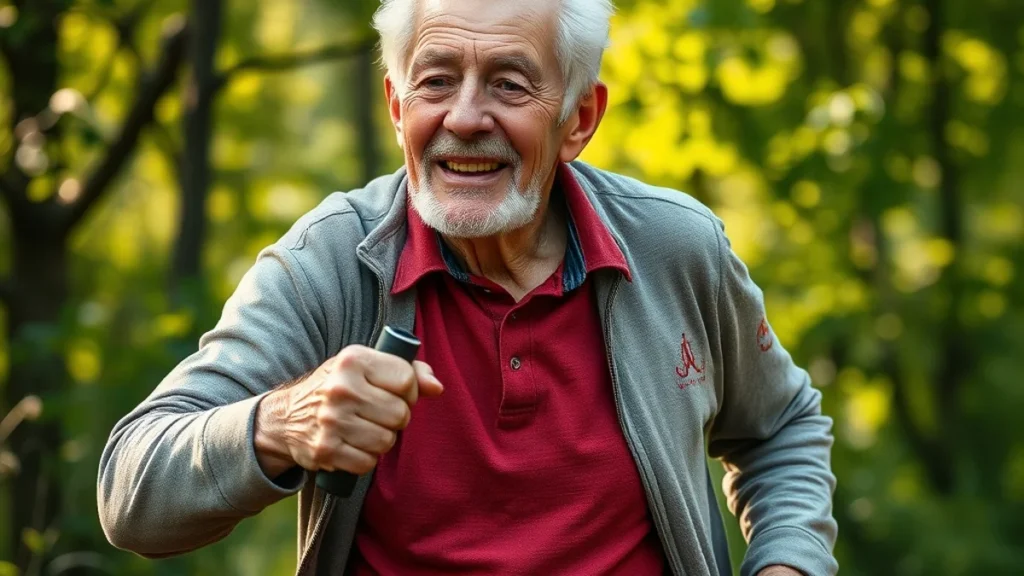
Centenarians, individuals who live to be 100 years or older, often share a common habit that significantly contributes to their longevity: a commitment to a healthy lifestyle characterized by balanced nutrition, physical activity, and strong social connections. Understanding this habit is crucial as it provides insights into how we can enhance our health and potentially extend our own lifespans.
Understanding the Centenarian Lifestyle
The study of centenarians has gained traction in recent years, fueled by a growing interest in health and longevity. Research indicates that certain regions, known as “Blue Zones,” are home to a higher concentration of centenarians. These areas include Okinawa (Japan), Sardinia (Italy), Loma Linda (California), Nicoya (Costa Rica), and Ikaria (Greece). The lifestyles of individuals in these regions have been meticulously studied to identify the common factors contributing to their longevity.
Historically, the quest for longevity has been a subject of fascination across cultures. Ancient texts, from the Epic of Gilgamesh to modern scientific journals, have explored the secrets to a long life. The importance of diet, physical activity, and social engagement has been consistently highlighted. In recent decades, researchers have employed advanced methodologies, including genetic studies and epidemiological surveys, to understand the biological and environmental factors that contribute to aging well.
| Blue Zone | Key Habit | Notable Characteristics |
|---|---|---|
| Okinawa | Plant-based diet | High in vegetables, low in calories |
| Sardinia | Regular physical activity | Walking and farming as daily routines |
| Loma Linda | Strong community ties | Frequent social gatherings and church activities |
| Nicoya | Purposeful living | Clear sense of purpose and family connections |
| Ikaria | Moderate alcohol consumption | Wine in moderation, strong social networks |
These findings underscore the multifaceted nature of longevity. While genetics play a role, lifestyle choices significantly impact health outcomes. The centenarian lifestyle emphasizes not just the absence of disease but the presence of vitality, purpose, and community.
Practical Implications for American Households
For American consumers, adopting the habits of centenarians can have profound implications for health and well-being. The first step is recognizing the importance of a balanced diet rich in whole foods. This includes an abundance of fruits, vegetables, whole grains, and healthy fats, while minimizing processed foods and added sugars. Research shows that diets similar to the Mediterranean diet, which is prevalent in many Blue Zones, can reduce the risk of chronic diseases and promote longevity.
Physical activity is another cornerstone of the centenarian lifestyle. Regular exercise, whether through structured workouts or daily activities like walking, gardening, or dancing, is essential for maintaining physical health and mobility. The CDC recommends at least 150 minutes of moderate-intensity aerobic activity each week, along with muscle-strengthening activities on two or more days. Incorporating movement into daily routines can make this goal more achievable.
Social connections also play a critical role in longevity. Studies have shown that individuals with strong social networks experience lower levels of stress and better mental health. For American households, fostering relationships with family, friends, and community members can provide emotional support and a sense of belonging, which are vital for overall well-being. Engaging in community activities, volunteering, or simply spending quality time with loved ones can enhance social ties.
Action Plan for Emulating Centenarian Habits
To incorporate the key habits of centenarians into daily life, consider the following actionable steps:
- Revamp Your Diet: Aim for a plant-based diet by incorporating more fruits, vegetables, legumes, and whole grains. Experiment with new recipes that highlight these foods, and gradually reduce the intake of processed items.
- Stay Active: Find enjoyable physical activities that you can integrate into your routine. Whether it’s joining a dance class, hiking, or simply taking daily walks, consistency is key.
- Cultivate Relationships: Make a conscious effort to connect with family and friends regularly. Schedule weekly gatherings, join clubs, or participate in local events to strengthen your social network.
- Find Purpose: Reflect on what gives your life meaning. Whether it’s through work, hobbies, or volunteerism, engaging in activities that provide a sense of purpose can enhance your overall quality of life.
By implementing these strategies, individuals can create a lifestyle that not only promotes longevity but also enhances overall happiness and fulfillment.
Frequently Asked Questions
What is the most important habit for longevity?
The most important habit for longevity is maintaining a balanced lifestyle that includes a nutritious diet, regular physical activity, and strong social connections. These elements work synergistically to promote health and well-being.
Can I adopt centenarian habits at any age?
Absolutely! It’s never too late to adopt healthier habits. Making gradual changes to your diet, increasing physical activity, and fostering social connections can significantly improve your health, regardless of your age.
How can I measure my progress toward a healthier lifestyle?
Progress can be measured through various metrics, including improved physical fitness, better mood and mental health, and enhanced social interactions. Keeping a journal to track dietary changes, exercise routines, and social activities can help you stay accountable and motivated.
To discover more science-backed longevity protocols, nutrition guides, and daily vitality habits, continue browsing our Health & Longevity coverage below.