
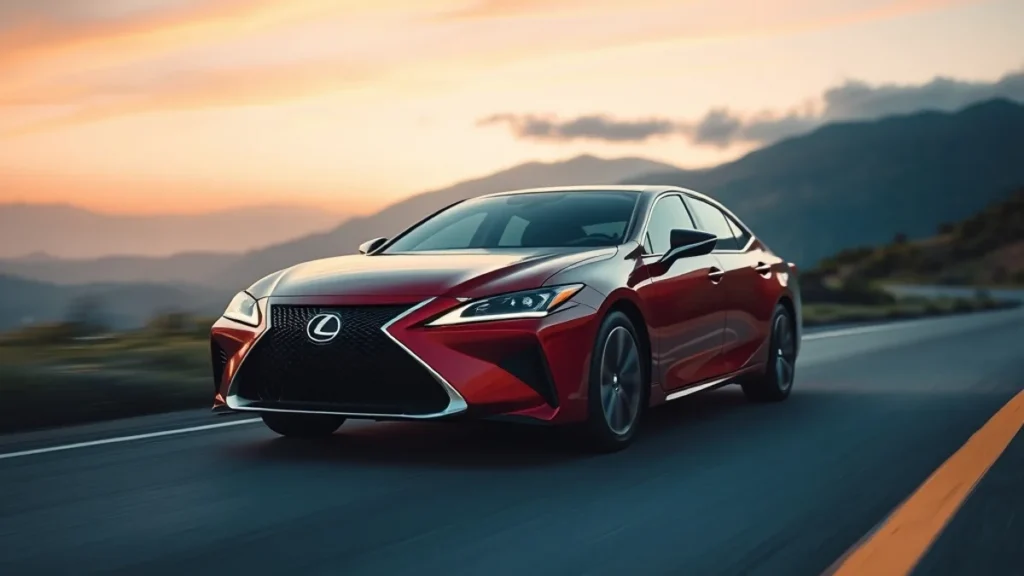
In 2027, Lexus is set to launch an all-electric version of its ES sedan, positioning it as a more affordable alternative to its hybrid counterpart. This shift not only reflects the automotive industry’s pivot towards electrification but also addresses consumer demand for cost-effective, eco-friendly vehicles. With rising fuel prices and increasing environmental awareness, this transition is significant for American consumers seeking sustainable mobility solutions.
Contextual Background: The Evolution of Lexus and Electric Vehicles
The Lexus ES has long been a staple in the luxury sedan market, known for its comfort, reliability, and hybrid technology. Launched in 1989, the ES has evolved through multiple generations, consistently incorporating advanced technology and eco-friendly options. The introduction of hybrid models in the early 2000s marked a significant shift, aligning with global trends towards sustainability. However, the automotive landscape is rapidly changing, with electric vehicles (EVs) becoming increasingly popular due to advancements in battery technology and growing consumer awareness of climate issues.
The 2027 Lexus ES is poised to capitalize on this trend by offering an all-electric variant that not only matches but potentially undercuts the hybrid model in terms of overall cost. This development is crucial as it aligns with government policies promoting electric vehicle adoption, including federal tax incentives and state-level rebates aimed at reducing the upfront costs of EVs. As manufacturers face stricter emissions regulations, the shift to electric models is not just a trend but a necessary evolution in the automotive sector.
| Feature | 2027 Lexus ES Electric | 2027 Lexus ES Hybrid |
|---|---|---|
| Powertrain | All-electric | Hybrid (gas-electric) |
| Estimated Range | 300 miles | 600 miles (combined) |
| Starting Price | $45,000 | $48,000 |
| Charging Time (DC Fast Charge) | 30 minutes (80% charge) | N/A |
| Fuel Economy (MPGe) | 120 MPGe | 44 MPG |
The electric ES is expected to feature advanced battery technology, offering a range of approximately 300 miles on a single charge, which is competitive within its class. In contrast, while the hybrid model boasts a longer total range due to its gasoline engine, the electric variant’s efficiency and lower operating costs make it an attractive option for consumers. Furthermore, the electric ES is anticipated to come equipped with cutting-edge technology, including enhanced driver-assistance features and a sophisticated infotainment system, further solidifying its appeal in the luxury segment.
Practical Implications: Financial and Technical Analysis
For American consumers, the financial implications of choosing the electric 2027 Lexus ES over the hybrid are significant. The initial purchase price of the electric model is projected to be around $45,000, which is more affordable than the hybrid’s estimated $48,000 starting price. This price difference, combined with federal and state incentives, can substantially reduce the effective cost of ownership for the electric variant. For instance, federal tax credits can provide up to $7,500 off the purchase price, making the electric ES even more financially attractive.
Moreover, the cost of ownership for electric vehicles is generally lower than that of hybrids due to reduced maintenance costs and the absence of gasoline expenses. Electric vehicles typically require less frequent maintenance, as they have fewer moving parts compared to internal combustion engines. Additionally, with the increasing availability of home charging stations and public charging infrastructure, the convenience factor of owning an electric vehicle is becoming more pronounced. This trend is particularly relevant in urban areas where charging stations are more accessible, allowing for practical daily use.
Strategically, consumers must also consider the long-term value of their investment. As the automotive industry shifts towards electrification, the resale value of electric vehicles is expected to rise, while hybrid models may face depreciation as they become less desirable. This potential for higher resale value, combined with lower operating costs, makes the electric ES a compelling choice for forward-thinking consumers.
Action Plan: Best Practices for Transitioning to Electric
For consumers considering the switch to the electric 2027 Lexus ES, a proactive approach can enhance the ownership experience. First, assess your driving habits and determine if an electric vehicle aligns with your daily needs. If your commute is within the estimated range of 300 miles, the electric ES could be a perfect fit. Next, explore available incentives in your state, which can significantly reduce the initial purchase price. Websites like the U.S. Department of Energy provide updated information on federal and state incentives for electric vehicle purchases.
Additionally, consider investing in a home charging station. While public charging stations are becoming more prevalent, having a dedicated charging point at home can offer convenience and peace of mind. Research local electricians who specialize in EV charging installations to ensure safe and efficient setup. Furthermore, familiarize yourself with the various charging options available, including Level 2 chargers for home use and DC fast chargers for quick top-ups during longer trips.
Lastly, stay informed about the evolving landscape of electric vehicles. Join online forums, subscribe to automotive news outlets, and engage with local EV communities to gather insights and best practices from other electric vehicle owners. This knowledge can enhance your ownership experience and help you navigate any challenges that may arise.
Frequently Asked Questions
What are the main differences between the electric and hybrid Lexus ES?
The primary differences lie in the powertrain and cost. The electric ES offers an all-electric powertrain with an estimated range of 300 miles, while the hybrid combines a gasoline engine with an electric motor for a longer total range but at a higher initial cost. Additionally, the electric model benefits from lower operating costs and potential tax incentives.
How does charging the electric Lexus ES work?
The electric ES can be charged at home using a Level 2 charger or at public charging stations. A DC fast charger can provide an 80% charge in approximately 30 minutes, making it convenient for longer trips. Home charging typically requires a dedicated circuit and installation by a qualified electrician.
Are there any incentives for purchasing the electric Lexus ES?
Yes, federal and state incentives are available for electric vehicle purchases. Consumers may qualify for a federal tax credit of up to $7,500, along with various state-specific rebates or tax credits. It’s essential to check local regulations and incentives to maximize savings.
To stay ahead of electric vehicle market shifts, smart ownership tips, and automotive insurance strategies, continue reading our Auto & Mobility section below.