
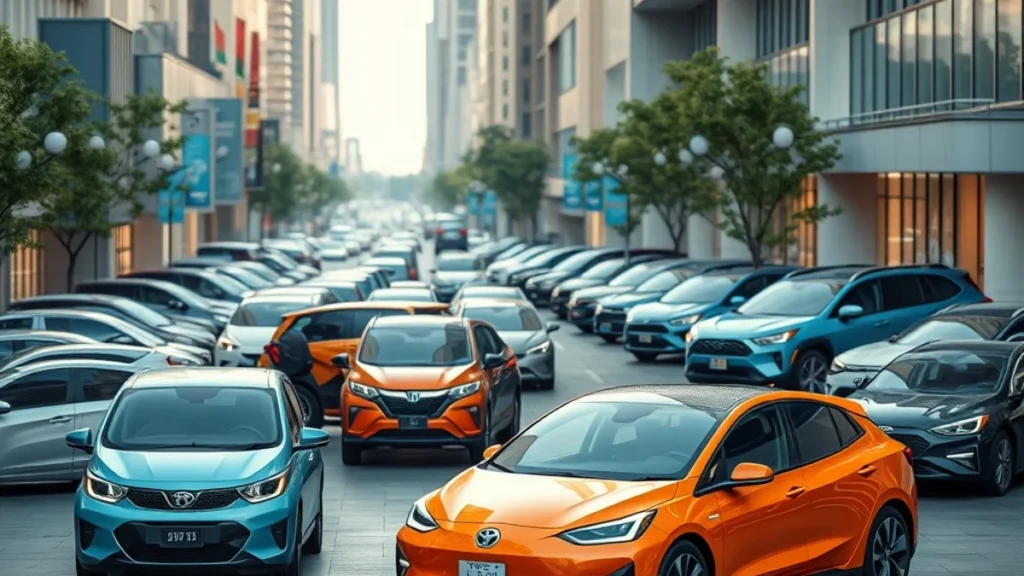
The landscape of automotive powertrains in the United States has evolved dramatically, with electric vehicles (EVs), hybrids, and plug-in hybrids (PHEVs) now more affordable and accessible than ever. This shift is significant as it affects consumers’ choices, environmental impact, and the future of mobility. With advancements in technology and supportive policies, a broader demographic can now consider these options, making sustainable driving a reality for many.
Contextual Background: The Evolution of Powertrains
The automotive industry has undergone a transformative journey over the past few decades, primarily driven by the need for more sustainable and efficient transportation solutions. The introduction of EVs, hybrids, and PHEVs has been a response to rising fuel prices, environmental concerns, and government regulations aimed at reducing greenhouse gas emissions. Historically, the first mass-produced hybrid vehicle, the Toyota Prius, debuted in 1997, paving the way for the acceptance of alternative powertrains. Since then, advancements in battery technology, electric motors, and charging infrastructure have accelerated the growth of these vehicles.
In the last few years, federal and state governments have implemented various incentives to encourage the adoption of EVs and hybrids. Tax credits, rebates, and grants have made these vehicles more financially viable for consumers. Additionally, the Biden administration has set ambitious goals to increase the number of electric vehicles on the road, aiming for 50% of all new vehicle sales to be electric by 2030. This policy framework is crucial as it not only supports manufacturers in ramping up production but also fosters consumer confidence in electric mobility.
| Powertrain Type | Definition | Average Price (2023) | Fuel Efficiency (MPGe) | Range (Miles) |
|---|---|---|---|---|
| Electric Vehicle (EV) | Runs entirely on electric power. | $40,000 | 100-130 MPGe | 250-350 miles |
| Hybrid Vehicle | Combines a gasoline engine with an electric motor. | $30,000 | 50-60 MPGe | 600-700 miles (combined) |
| Plug-in Hybrid Electric Vehicle (PHEV) | Can run on electric power and gasoline. | $35,000 | 60-90 MPGe | 20-50 miles (electric only) |
As the market for these powertrains expands, manufacturers are investing heavily in research and development to enhance battery life, reduce costs, and improve overall vehicle performance. Companies like Tesla, Ford, and General Motors are leading the charge, introducing models that cater to a wide range of consumers, from budget-friendly options to luxury vehicles. This competitive landscape is essential for driving prices down and making these technologies more accessible to the average American.
Practical Implications for Consumers
For American households, the decision to switch to an EV, hybrid, or PHEV involves several practical considerations. First and foremost is the financial aspect. While the upfront costs of these vehicles may be higher than traditional gasoline-powered cars, the total cost of ownership often favors electric and hybrid models. Lower fuel costs, reduced maintenance expenses, and available federal and state incentives can significantly offset the initial investment. For instance, the federal tax credit for electric vehicles can provide up to $7,500, making the transition more appealing.
Moreover, the operational benefits of these vehicles cannot be overstated. EVs and hybrids typically offer superior fuel efficiency, translating to fewer trips to the gas station and lower overall fuel expenses. Additionally, many states have implemented carpool lane access for EVs, allowing drivers to save time during their commutes. The environmental impact is another crucial factor; by choosing electric or hybrid options, consumers contribute to reduced carbon emissions and a smaller ecological footprint.
However, potential buyers must also consider the trade-offs associated with these powertrains. For example, while EVs are excellent for urban driving and short commutes, they may not be ideal for long-distance travel unless equipped with a robust charging infrastructure. PHEVs offer a middle ground, providing the flexibility of gasoline backup for longer trips while still allowing for electric-only driving in daily use. Understanding these nuances is vital for making an informed decision that aligns with individual lifestyle needs.
Step-by-Step Action Plan for Transitioning to Electric Mobility
Transitioning to an electric or hybrid vehicle requires careful planning and consideration. Here’s a step-by-step action plan to help consumers navigate this process:
- Assess Your Driving Needs: Evaluate your daily commute, typical travel distances, and driving habits. This will help determine whether an EV, hybrid, or PHEV is the best fit for you.
- Research Available Models: Investigate different makes and models within your budget. Consider factors such as range, charging time, and features that matter most to you.
- Check for Incentives: Look into federal, state, and local incentives that can reduce the purchase price. Websites like the U.S. Department of Energy provide updated information on available rebates and tax credits.
- Explore Charging Options: If considering an EV, assess your home’s charging capabilities. Determine if a Level 2 charger is feasible and explore public charging networks in your area.
- Test Drive: Schedule test drives for your top choices. This hands-on experience will help you gauge comfort, handling, and overall satisfaction with the vehicle.
- Finalize Financing: Explore financing options, including loans and leases. Compare rates and terms from various lenders to secure the best deal.
Frequently Asked Questions
What are the main differences between EVs, hybrids, and PHEVs?
EVs run solely on electric power, hybrids combine a gasoline engine with an electric motor, and PHEVs can operate on both electricity and gasoline, providing flexibility for longer trips.
Are there significant maintenance differences between these vehicles?
Generally, EVs have fewer moving parts and require less maintenance than traditional vehicles. Hybrids and PHEVs may need more frequent servicing due to their dual powertrains, but they still tend to have lower maintenance costs than gasoline-only vehicles.
How can I find charging stations for electric vehicles?
Charging station locators are available through various apps and websites, such as PlugShare and ChargePoint. Additionally, many EVs come with built-in navigation systems that can direct you to the nearest charging stations.
To stay ahead of electric vehicle market shifts, smart ownership tips, and automotive insurance strategies, continue reading our Auto & Mobility section below.