
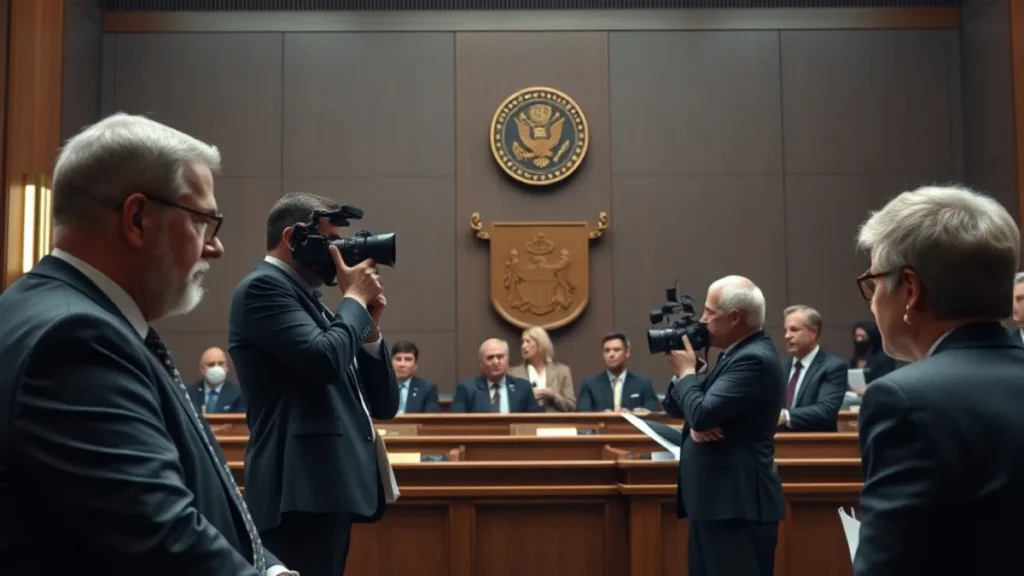
Recent legal actions have emerged as U.S. newspapers have initiated lawsuits against Brave Software, while Canadian publishers have taken similar steps against Anthropic. These lawsuits highlight significant concerns regarding copyright infringement and the ethical use of AI technologies in content generation, impacting publishers, technology companies, and consumers alike.
Contextual Background: The Rise of AI and Legal Challenges
The integration of artificial intelligence (AI) into various sectors has sparked a wave of innovation, but it has also raised critical legal and ethical questions. The lawsuits against Brave Software and Anthropic stem from concerns that these companies are utilizing copyrighted material without proper licensing or compensation. Brave Software, known for its privacy-focused web browser and ad-blocking capabilities, has developed an AI-driven content generation tool that allegedly scrapes articles from various news outlets. Similarly, Anthropic, a prominent AI research company, is accused of using content from Canadian publishers to train its language models without obtaining the necessary permissions.
Historically, the relationship between technology and traditional media has been fraught with tension. As digital platforms began to dominate the information landscape, publishers struggled to adapt their business models to an environment where content is often freely accessible. The advent of AI has further complicated this dynamic, as these technologies can produce human-like text and replicate journalistic styles, raising questions about originality and ownership. This legal landscape is evolving, with courts now tasked with determining how existing copyright laws apply to AI-generated content.
| Company | Allegation | Impact on Publishers | Legal Precedent |
|---|---|---|---|
| Brave Software | Unauthorized scraping of articles | Potential loss of revenue from ad placements | Copyright infringement claims |
| Anthropic | Using copyrighted content for AI training | Undermining the value of original journalism | Fair use vs. copyright infringement |
As these lawsuits unfold, they could set significant legal precedents that may redefine the boundaries of copyright in the age of AI. The outcomes will not only affect the companies involved but could also influence how AI technologies are developed and deployed across the media landscape.
Practical Implications for American Consumers and Households
The lawsuits against Brave Software and Anthropic carry substantial implications for American consumers, particularly in how they access and interact with news content. If publishers succeed in their legal claims, it could lead to stricter regulations governing the use of AI in content creation, potentially resulting in fewer free resources available online. Consumers may find themselves facing paywalls or subscription models as publishers seek to protect their intellectual property and recoup losses incurred from unauthorized use of their work.
Furthermore, these legal battles underscore the importance of ethical AI practices. As consumers, understanding the implications of AI-generated content is crucial. The distinction between original journalism and AI-generated articles may become blurred, leading to challenges in discerning credible information. This could necessitate a more discerning approach to news consumption, where readers must critically evaluate the sources of their information and the methods by which it is generated.
From a financial perspective, the outcomes of these lawsuits may influence the advertising landscape as well. If publishers are granted more control over their content, advertisers may need to adapt their strategies to align with new regulations, potentially leading to increased costs for advertisers and, subsequently, consumers. The ripple effects of these legal actions could reshape the economic dynamics of the media industry, impacting everything from subscription fees to advertising rates.
Action Plan: Best Practices for Engaging with AI and Media
As the legal landscape surrounding AI and copyright evolves, consumers and households can adopt several best practices to navigate this changing environment. First, it is essential to stay informed about the developments in these lawsuits and their implications for media consumption. Subscribing to reputable news sources and following updates from industry organizations can provide valuable insights.
Second, consumers should practice discernment when engaging with AI-generated content. This includes verifying the credibility of sources and understanding the potential biases inherent in AI systems. Utilizing fact-checking tools and resources can help ensure that the information consumed is accurate and reliable.
Lastly, supporting original journalism is vital. Subscribing to newspapers, magazines, and other media outlets not only helps sustain quality journalism but also reinforces the value of original content in an age where AI-generated material is becoming increasingly prevalent. Engaging with and promoting ethical AI practices can also contribute to a more responsible media landscape.
Frequently Asked Questions
What are the main allegations against Brave Software and Anthropic?
The primary allegations involve unauthorized use of copyrighted material for AI training and content generation. Brave Software is accused of scraping articles from various news outlets without permission, while Anthropic faces similar claims related to its AI models.
How could these lawsuits affect the future of AI in media?
If the lawsuits succeed, they may lead to stricter regulations on how AI technologies can utilize copyrighted content, potentially reshaping the landscape of AI-generated media and impacting the availability of free content online.
What can consumers do to protect themselves in this evolving landscape?
Consumers can stay informed about legal developments, practice discernment when consuming content, and support original journalism to help sustain quality media in the face of AI advancements.
For in-depth hardware benchmarks, AI workflow guides, and emerging technology reviews, continue exploring our Tech & AI coverage below.