
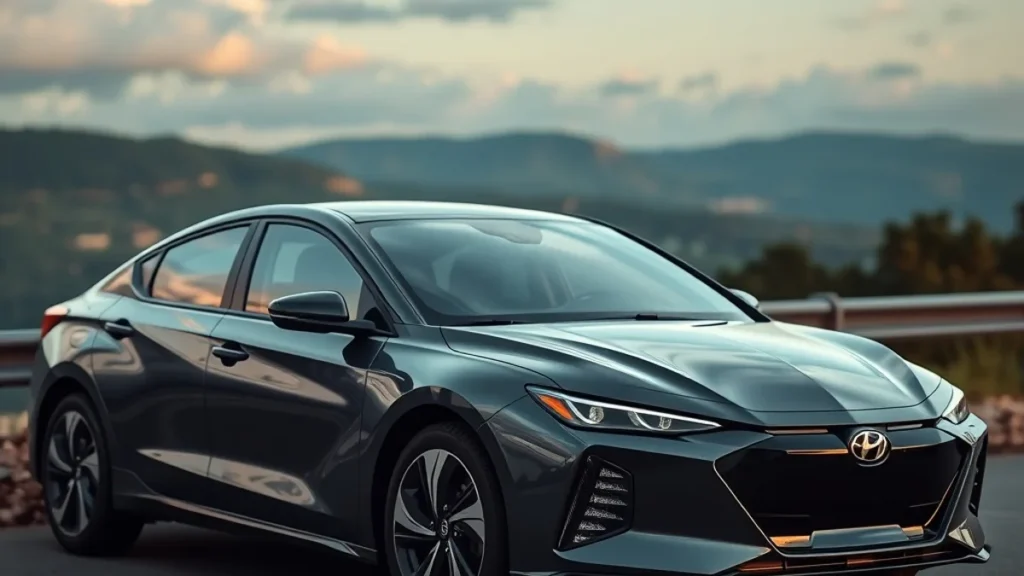
As hybrid vehicles gain popularity for their fuel efficiency and lower emissions, potential buyers often wonder about the longevity of these cars. Specifically, how many miles is too many for a hybrid car? Understanding this metric is crucial for consumers looking to purchase a used model, as it directly impacts reliability, maintenance costs, and resale value.
Understanding Hybrid Vehicles: Background and Key Features
Hybrid vehicles combine a conventional internal combustion engine with an electric propulsion system, offering improved fuel efficiency and reduced emissions compared to traditional vehicles. The first mass-produced hybrid, the Toyota Prius, debuted in 1997, marking a significant shift in automotive technology. Since then, the hybrid market has expanded, with numerous manufacturers introducing their models, each boasting unique features and varying levels of hybridization.
Hybrids typically operate in two modes: electric and gasoline. In electric mode, the vehicle relies solely on its battery, which is recharged through regenerative braking and the internal combustion engine. In gasoline mode, the engine kicks in to provide additional power, especially during acceleration or when the battery is depleted. This dual system allows hybrids to achieve better fuel economy, making them an attractive option for environmentally conscious consumers.
However, the longevity of a hybrid vehicle is often questioned, particularly regarding mileage. While traditional vehicles may show signs of wear and tear after 100,000 miles, hybrids can often exceed this threshold if properly maintained. Factors such as battery life, engine performance, and overall vehicle condition play significant roles in determining how many miles are too many for a hybrid. Understanding these factors can help buyers make informed decisions when considering a used hybrid.
| Feature | Traditional Gasoline Vehicle | Hybrid Vehicle |
|---|---|---|
| Typical Lifespan | 150,000 – 200,000 miles | 200,000 – 300,000 miles |
| Battery Replacement Cost | N/A | $2,000 – $6,000 |
| Fuel Economy | 20 – 30 MPG | 40 – 60 MPG |
| Maintenance Frequency | Every 5,000 – 7,500 miles | Every 5,000 – 10,000 miles |
Financial and Technical Considerations for Buyers
When evaluating a used hybrid vehicle, several financial and technical factors must be considered. First, the cost of ownership can significantly differ between traditional vehicles and hybrids. While hybrids may have a higher upfront cost, their fuel efficiency often leads to lower operational costs over time. However, potential buyers should factor in the cost of battery replacement, which can be substantial, especially for older models. Understanding the expected lifespan of the battery and whether it has been replaced can influence the overall value of the vehicle.
Another critical aspect is the vehicle’s maintenance history. Hybrids require specialized knowledge for repairs, and finding a mechanic experienced with hybrid technology is essential. Buyers should request maintenance records to ensure that the vehicle has been properly cared for, including regular oil changes, battery checks, and any necessary repairs. A well-maintained hybrid can offer a reliable driving experience even at higher mileage.
Additionally, buyers should consider the vehicle’s resale value. Hybrids tend to retain their value better than traditional vehicles due to their growing popularity and demand for fuel-efficient options. However, as technology evolves and electric vehicles become more mainstream, the resale market for hybrids may shift. Understanding market trends and depreciation rates can help buyers make informed decisions about their investment.
Action Plan for Purchasing a Used Hybrid
To navigate the used hybrid market effectively, potential buyers should follow a structured action plan. First, establish a budget that includes not only the purchase price but also potential maintenance and battery replacement costs. Research various hybrid models to determine which ones align with your needs and preferences, focusing on reliability ratings and consumer reviews.
Next, conduct a thorough inspection of the vehicle. Look for signs of wear and tear, particularly in the battery and electrical systems. If possible, obtain a pre-purchase inspection from a mechanic familiar with hybrid technology. This step can uncover hidden issues that may not be immediately apparent, providing peace of mind before making a purchase.
Finally, consider the vehicle’s history report. Services like Carfax can provide valuable insights into previous ownership, accident history, and maintenance records. This information can help buyers gauge the overall condition of the vehicle and make a more informed decision. By following these steps, buyers can maximize their chances of finding a reliable used hybrid that meets their needs.
Frequently Asked Questions
What is the average lifespan of a hybrid car?
The average lifespan of a hybrid car can range from 200,000 to 300,000 miles, depending on maintenance and driving conditions. With proper care, many hybrids can exceed these figures.
How do I know if a hybrid’s battery needs replacement?
Signs that a hybrid’s battery may need replacement include decreased fuel efficiency, warning lights on the dashboard, and reduced acceleration. A professional diagnostic can confirm the battery’s condition.
Are hybrids more expensive to maintain than traditional cars?
While hybrids may have higher battery replacement costs, their overall maintenance can be comparable or even lower than traditional vehicles due to fewer oil changes and brake wear. Regular maintenance is crucial for both types.
To stay ahead of electric vehicle market shifts, smart ownership tips, and automotive insurance strategies, continue reading our Auto & Mobility section below.