
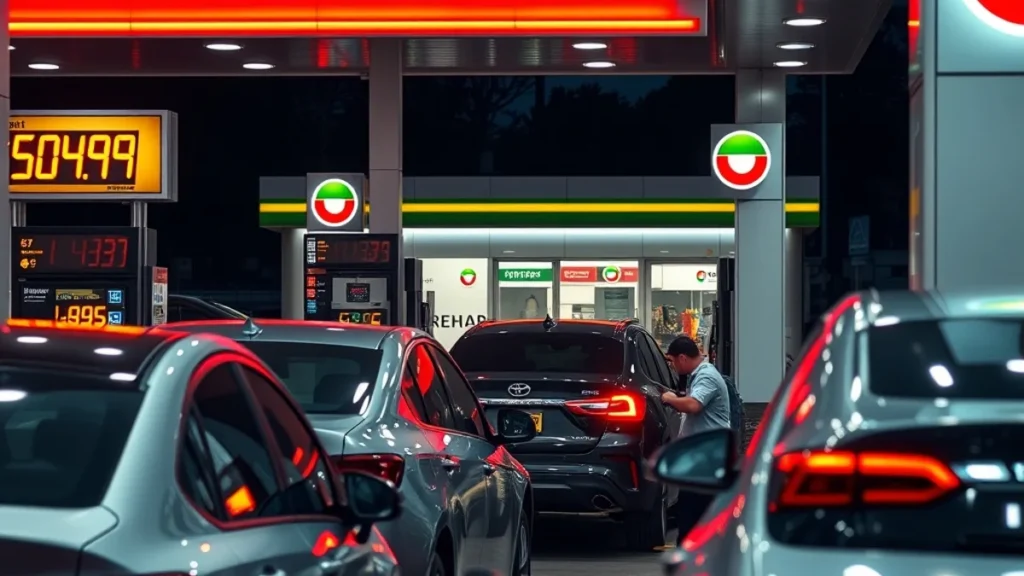
As gas prices soar to an average of $4.27 per gallon—up $1.23 from last year—hybrid vehicles are experiencing a remarkable surge in popularity, capturing a record 16% of total vehicle sales. Meanwhile, electric vehicle (EV) sales are showing signs of stagnation. This shift underscores the evolving dynamics of the automotive market, where fuel efficiency and cost-effectiveness are becoming paramount for consumers.
Hybrid Vehicles: The New Fuel Economy Champions
With fuel prices climbing, consumers are increasingly turning to hybrid vehicles as a practical solution to rising costs at the pump. Hybrids, which combine a gasoline engine with an electric motor, offer the best of both worlds—impressive fuel economy without the range anxiety often associated with fully electric vehicles. Major manufacturers, including Toyota and Honda, have reported significant increases in hybrid sales, with models like the Toyota RAV4 Hybrid and Honda CR-V Hybrid leading the charge.
The appeal of hybrids lies not only in their fuel efficiency but also in their relatively lower purchase price compared to EVs. With the average cost of a new electric vehicle hovering around $66,000, many consumers are opting for hybrids that can deliver substantial savings at the pump without the hefty price tag associated with full electrification. The Toyota Prius, for instance, remains a staple in the hybrid market, offering a starting price of just over $25,000, making it accessible to a broader audience.
Electric Vehicles: The Stagnation Dilemma
Despite the initial enthusiasm surrounding electric vehicles, their sales have plateaued in the face of rising gas prices. Factors contributing to this stagnation include supply chain issues, high production costs, and the ongoing challenges of charging infrastructure. While EV sales accounted for approximately 5% of the total vehicle market last year, this figure has not seen the growth many analysts anticipated.
Moreover, the current economic climate has led consumers to prioritize immediate savings over long-term environmental benefits. The allure of EVs is tempered by concerns about battery life, charging times, and the availability of charging stations, particularly in rural areas. As a result, many potential buyers are hesitant to make the leap to full electrification when hybrids offer a more convenient and cost-effective alternative.
Fuel Prices and Consumer Behavior: A Direct Correlation
The relationship between fuel prices and consumer purchasing behavior is well-documented. As gas prices rise, consumers are more likely to seek out vehicles that offer better fuel efficiency. This trend is evident in the current market, where hybrids are gaining traction while EVs struggle to maintain momentum. According to industry experts, every 10% increase in gas prices can lead to a 1-2% increase in hybrid sales, a statistic that highlights the sensitivity of consumer choices to fuel costs.
Additionally, the recent spike in fuel prices has prompted many consumers to reevaluate their transportation needs. With remote work becoming more common, individuals are driving less frequently, leading to a greater emphasis on fuel-efficient vehicles for occasional trips. This shift in driving patterns favors hybrids, which can deliver superior fuel economy without the range limitations of traditional gas-powered vehicles.
Technological Advancements and Market Competition
As the automotive landscape evolves, manufacturers are investing heavily in hybrid technology to meet consumer demands. Innovations in battery technology, regenerative braking systems, and improved aerodynamics are enhancing the performance and efficiency of hybrid vehicles. For instance, the latest generation of hybrids features advanced power management systems that optimize energy usage, resulting in even greater fuel savings.
On the other hand, the EV market is not standing still. Companies like Tesla and Ford are pushing the envelope with new models that promise longer ranges and faster charging times. However, these advancements come at a premium, often making EVs less appealing to budget-conscious consumers. The competition between hybrids and EVs is intensifying, with each segment vying for dominance in an increasingly fuel-conscious market.
Cost of Ownership: Hybrids vs. EVs
When evaluating the total cost of ownership (TCO), hybrids often emerge as the more economical choice for many consumers. While EVs may offer lower operating costs due to reduced fuel expenses and fewer maintenance requirements, the initial purchase price and potential charging infrastructure costs can be significant barriers. In contrast, hybrids provide a more accessible entry point into the world of fuel-efficient vehicles.
Incentives also play a crucial role in the decision-making process. While federal tax credits for EVs can offset some of the initial costs, these incentives are often not enough to sway buyers who are looking for immediate savings. Hybrids, which typically do not qualify for the same level of incentives, are still perceived as a more practical choice for consumers who want to balance fuel efficiency with affordability.
As the automotive market continues to adapt to changing consumer preferences and economic realities, hybrids are poised to maintain their upward trajectory. With gas prices showing no signs of stabilizing, the demand for fuel-efficient vehicles will likely persist, further solidifying hybrids’ position in the market while EVs must navigate the challenges of consumer perception and infrastructure development.
To stay ahead of electric vehicle market shifts, smart ownership tips, and automotive insurance strategies, continue reading our Auto & Mobility section below.