
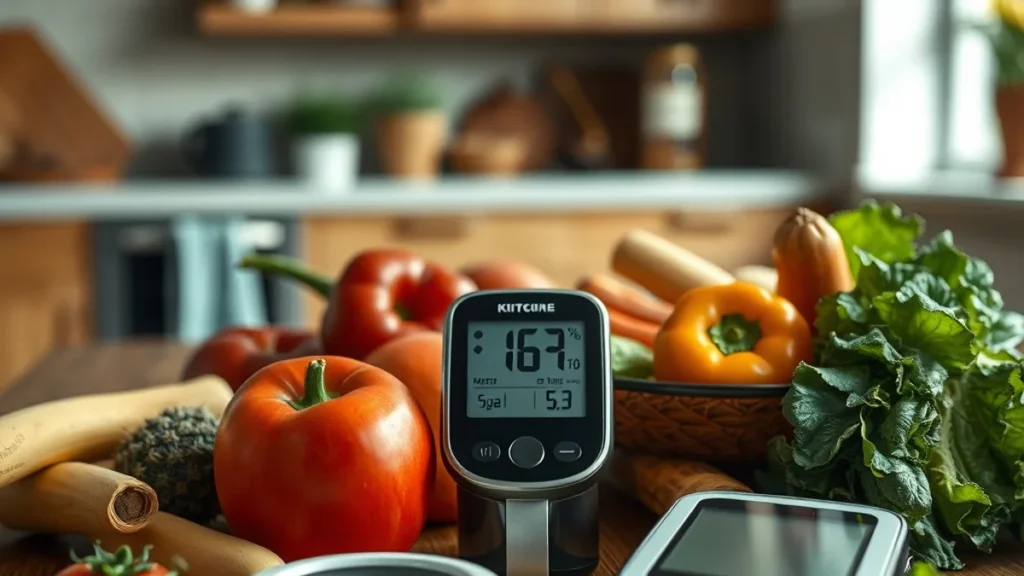
Recent research from Oxford and King’s College has raised critical questions about the efficacy of continuous blood sugar monitoring systems, often marketed as essential tools for health optimization. While these devices promise to enhance dietary choices and metabolic health, emerging evidence suggests they may inadvertently lead to poorer dietary decisions, challenging the very premise of their use.
Understanding the Science Behind Blood Sugar Monitoring
Continuous glucose monitors (CGMs) have surged in popularity, particularly among health-conscious individuals and biohackers. These devices provide real-time data on blood sugar levels, ostensibly allowing users to make informed dietary choices. However, a study published in the journal Cell Metabolism by researchers at Oxford and King’s College indicates that reliance on CGMs may lead to a paradoxical effect: users may become overly focused on blood sugar spikes and drops rather than the broader context of their overall diet.
The study involved a diverse cohort of participants who were monitored over a period of several weeks. Researchers found that while CGMs provided valuable data, many users began to misinterpret their glucose responses, leading to restrictive eating patterns or the avoidance of healthy foods that caused minor spikes in blood sugar. This behavior can disrupt the balance of essential nutrients and lead to an unhealthy relationship with food.
Peer-Reviewed Biomarkers and Clinical Trial Data
In clinical settings, the use of CGMs has been associated with improved glycemic control in individuals with diabetes. However, the recent findings suggest that for non-diabetic users, the benefits may not be as clear-cut. A meta-analysis published in The Journal of Clinical Endocrinology & Metabolism reviewed multiple studies and found that while CGMs can provide insights into glucose variability, they often fail to translate into meaningful dietary improvements for the general population.
One pivotal trial indicated that participants who used CGMs without proper guidance often experienced increased anxiety about food choices, leading to restrictive diets that lacked essential macronutrients. This phenomenon highlights the importance of contextualizing glucose data within a comprehensive dietary framework rather than relying solely on numerical feedback.
Cellular Mechanisms and Metabolic Pathways
Understanding the cellular mechanisms at play is crucial for interpreting the implications of CGM data. Blood sugar levels are influenced by a myriad of factors, including hormonal responses, gut microbiota, and overall dietary composition. For instance, the release of insulin—a hormone critical for glucose metabolism—can be affected by the types of carbohydrates consumed and their glycemic index.
Moreover, the gut-brain axis plays a significant role in how we perceive hunger and satiety. Research indicates that a diet high in processed sugars can lead to dysregulation of this axis, resulting in cravings and overeating. When users focus excessively on their glucose levels, they may neglect the importance of whole foods, fiber, and healthy fats that support metabolic health and gut function.
Actionable Daily Implementation Protocols
For those who choose to use CGMs, it is essential to adopt a holistic approach to dietary management. Here are some practical strategies to ensure that blood sugar monitoring supports rather than hinders overall health:
- Focus on Whole Foods: Prioritize nutrient-dense foods such as vegetables, fruits, whole grains, lean proteins, and healthy fats. These foods can help stabilize blood sugar levels while providing essential nutrients.
- Incorporate Regular Physical Activity: Exercise enhances insulin sensitivity and can mitigate blood sugar spikes. Aim for a mix of aerobic and resistance training to optimize metabolic health.
- Practice Mindful Eating: Pay attention to hunger cues and avoid eating in response to stress or emotional triggers. This practice can help prevent overeating and improve overall dietary choices.
- Consult with a Healthcare Professional: Work with a registered dietitian or healthcare provider to interpret CGM data in the context of your overall health goals, ensuring a balanced approach to nutrition.
Safety Considerations and Contraindications
While CGMs can provide valuable insights for certain populations, it is essential to recognize potential drawbacks. Over-reliance on these devices can lead to anxiety, disordered eating patterns, and a skewed perception of healthy eating. Furthermore, individuals with a history of eating disorders or those who are prone to anxiety may find that CGMs exacerbate their conditions.
Healthcare providers should carefully assess the appropriateness of CGM use for each individual, considering their psychological and emotional well-being alongside their metabolic health. It is crucial to approach blood sugar monitoring as one component of a comprehensive health strategy rather than a standalone solution.
In conclusion, while continuous blood sugar monitoring can offer insights into metabolic health, it is not a panacea. The latest research underscores the importance of a balanced, nutrient-rich diet and a holistic approach to health. As we navigate the complexities of nutrition and metabolism, it is vital to remain grounded in evidence-based practices that prioritize overall well-being over numerical data.
To discover more science-backed longevity protocols, nutrition guides, and daily vitality habits, continue browsing our Health & Longevity coverage below.