
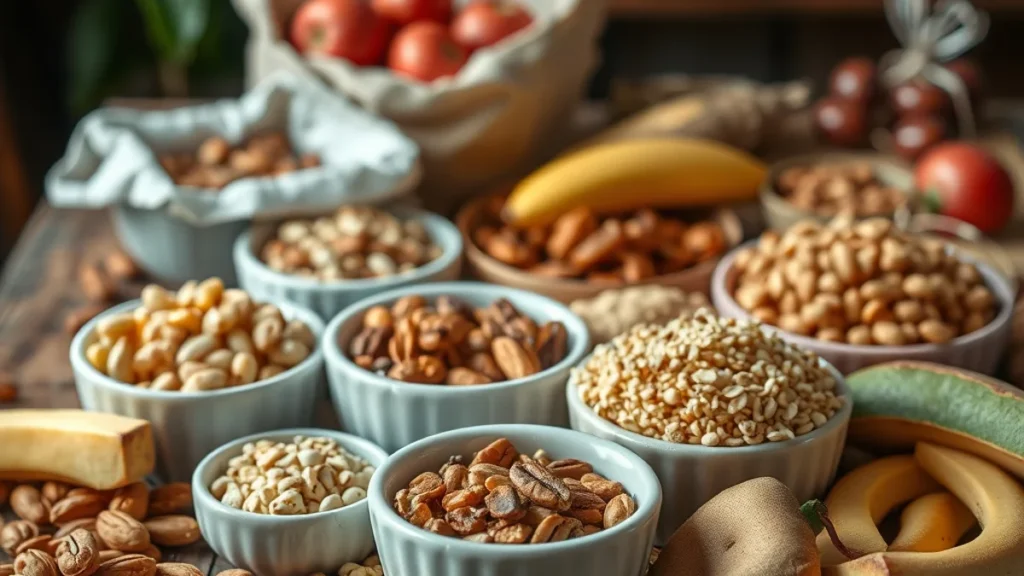
Healthy aging is increasingly recognized as a critical aspect of overall well-being, particularly as the global population ages. Experts emphasize that the right nutritional choices can significantly influence longevity and quality of life. This guide explores seven expert-recommended snacks that not only satisfy cravings but also support health as we age.
Understanding Healthy Aging and Nutrition
Healthy aging refers to the process of developing and maintaining the functional ability that enables well-being in older age. This concept encompasses physical, mental, and social well-being, and nutrition plays a pivotal role in achieving these goals. Historically, the understanding of nutrition’s impact on aging has evolved from a focus on calorie intake to a more nuanced appreciation of nutrient density, food quality, and the role of specific dietary patterns in promoting longevity.
In the past, many diets emphasized macronutrients—carbohydrates, proteins, and fats—without considering the importance of micronutrients, antioxidants, and anti-inflammatory compounds. Recent studies highlight that diets rich in whole foods, particularly those high in fruits, vegetables, whole grains, and healthy fats, are associated with reduced risks of chronic diseases such as heart disease, diabetes, and cognitive decline. This shift in understanding has led to a more holistic approach to nutrition, particularly for older adults.
The Mediterranean diet, for example, has gained recognition for its potential benefits in promoting healthy aging. This diet emphasizes the consumption of plant-based foods, healthy fats, and lean proteins, which are linked to improved cardiovascular health and cognitive function. As more individuals embrace this dietary philosophy, the importance of incorporating nutrient-dense snacks into daily routines becomes increasingly clear.
| Snack | Key Nutrients | Health Benefits | Recommended Serving |
|---|---|---|---|
| Almonds | Vitamin E, Magnesium, Fiber | Heart health, Cognitive function | 1 oz (about 23 almonds) |
| Greek Yogurt | Protein, Probiotics, Calcium | Gut health, Muscle maintenance | 1 cup |
| Blueberries | Antioxidants, Vitamin C, Fiber | Brain health, Anti-inflammatory | 1 cup |
| Carrot Sticks with Hummus | Beta-carotene, Healthy fats, Fiber | Vision health, Satiety | 1 cup carrots + 2 tbsp hummus |
| Dark Chocolate | Flavonoids, Iron, Magnesium | Heart health, Mood enhancement | 1 oz (70% cocoa or higher) |
| Oatmeal | Fiber, B Vitamins, Antioxidants | Heart health, Blood sugar control | 1/2 cup dry oats |
| Avocado Toast | Healthy fats, Fiber, Potassium | Heart health, Nutrient absorption | 1 slice whole grain bread + 1/2 avocado |
Implications for American Consumers
As the population ages, the demand for nutritious, convenient snacks is on the rise. American consumers are increasingly seeking options that not only satisfy hunger but also contribute to long-term health. The snacks listed above are not only widely available but also versatile, allowing for easy incorporation into various dietary patterns. Understanding the nutritional value of these snacks can empower consumers to make informed choices that align with their health goals.
Financially, investing in nutrient-dense snacks can lead to long-term savings by potentially reducing healthcare costs associated with chronic diseases. For example, incorporating foods rich in antioxidants and healthy fats can lower the risk of heart disease, diabetes, and cognitive decline, ultimately leading to fewer medical expenses. Moreover, the growing trend towards health-conscious eating has prompted many companies to innovate and provide healthier snack alternatives, making them more accessible and affordable.
Strategically, consumers should consider the balance of convenience and nutrition. While many processed snacks are marketed as healthy, they often contain added sugars, unhealthy fats, and preservatives. Opting for whole, minimally processed foods is a more reliable strategy for achieving health and longevity. By prioritizing snacks that are rich in essential nutrients, individuals can enhance their overall health and well-being as they age.
Action Plan for Healthy Snacking
To effectively incorporate these seven snacks into your diet, consider the following actionable steps:
- Plan Ahead: Create a weekly meal plan that includes these snacks. Having them readily available can prevent impulsive, unhealthy choices.
- Portion Control: Pre-portion snacks into small containers or bags to manage serving sizes and avoid overeating.
- Experiment with Recipes: Use these snacks as ingredients in recipes. For example, add blueberries to oatmeal or mix Greek yogurt with honey and nuts for a delicious treat.
- Stay Informed: Keep abreast of new research on nutrition and aging. Understanding the latest findings can help you make better dietary choices.
By following these steps, you can ensure that your snacking habits contribute positively to your health and longevity.
Frequently Asked Questions
What are the best snacks for healthy aging?
The best snacks for healthy aging include almonds, Greek yogurt, blueberries, carrot sticks with hummus, dark chocolate, oatmeal, and avocado toast. These snacks are rich in essential nutrients that support heart health, cognitive function, and overall well-being.
How can I incorporate healthy snacks into my daily routine?
Incorporate healthy snacks by planning your meals ahead of time, pre-portioning snacks for convenience, and experimenting with recipes that include these nutrient-dense options. Keeping healthy snacks on hand can help you avoid unhealthy choices.
Are there any snacks I should avoid for healthy aging?
Avoid snacks high in added sugars, unhealthy fats, and preservatives. Processed snacks often marketed as healthy can be misleading, so prioritize whole, minimally processed foods for better health outcomes.
To discover more science-backed longevity protocols, nutrition guides, and daily vitality habits, continue browsing our Health & Longevity coverage below.