
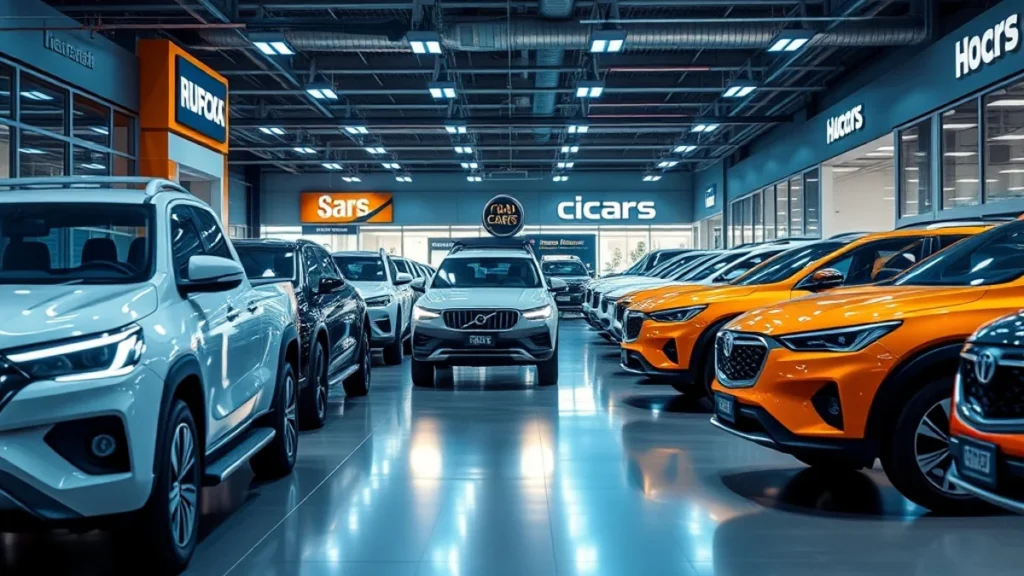
As October 2026 unfolds, the automotive landscape is marked by a striking juxtaposition: while traditional utes dominate sales charts, electric vehicle (EV) sales are experiencing unprecedented growth. This duality reflects shifting consumer preferences, advancements in technology, and a broader commitment to sustainability, reshaping the future of mobility.
Utes Reign Supreme: Sales Figures and Market Dynamics
In October 2026, utes (utility vehicles) have firmly established themselves as the top-selling segment in the automotive market, accounting for over 35% of total vehicle sales. This surge can be attributed to several factors, including their versatility, robust performance, and increasing consumer demand for vehicles that can handle both urban commuting and rugged outdoor adventures. The Ford Ranger and Toyota Hilux continue to lead the charge, with their blend of power, practicality, and advanced technology appealing to a wide range of buyers.
Moreover, manufacturers are responding to this demand with a plethora of new models and trims, enhancing features such as towing capacity, off-road capabilities, and infotainment systems. The introduction of hybrid options in utes has also played a pivotal role, allowing consumers to enjoy the benefits of both combustion and electric powertrains without sacrificing performance.
Electric Vehicles: A Surge in Popularity and Innovation
While utes dominate the sales charts, the EV segment is witnessing a remarkable surge, with sales increasing by over 25% compared to the previous year. This growth is fueled by advancements in battery technology, which have significantly improved range and charging efficiency. The introduction of models like the Tesla Cybertruck and Rivian R1T has captivated consumers, offering not just electric power but also the ruggedness and utility traditionally associated with utes.
Battery technology breakthroughs, such as solid-state batteries and enhanced lithium-ion cells, are enabling manufacturers to produce vehicles with ranges exceeding 400 miles on a single charge. Additionally, the expansion of charging infrastructure, including ultra-fast charging stations, is alleviating range anxiety and making EV ownership more practical than ever.
Technological Advancements: Infotainment and Autonomous Features
The evolution of cabin technology in both utes and EVs is transforming the driving experience. Modern vehicles are equipped with sophisticated infotainment systems that integrate seamlessly with smartphones, offering features like real-time navigation, voice recognition, and advanced driver-assist systems. Utes are increasingly incorporating these technologies, enhancing safety and convenience for both work and leisure.
In the EV sector, manufacturers are pushing the envelope with autonomous driving capabilities. Companies like Tesla and Waymo are leading the charge, developing systems that promise to revolutionize how we think about mobility. Features such as adaptive cruise control, lane-keeping assistance, and automated parking are becoming standard, making driving safer and more enjoyable.
Cost Considerations: Total Cost of Ownership and Incentives
As consumers weigh their options, the total cost of ownership (TCO) becomes a critical factor in the decision-making process. Utes, while initially more affordable, often incur higher fuel and maintenance costs over time. Conversely, EVs, despite their higher upfront prices, offer lower operational costs, thanks to reduced fuel expenses and fewer moving parts that require maintenance.
Government incentives continue to play a significant role in promoting EV adoption. Federal tax credits, state rebates, and local incentives are making electric vehicles more accessible to a broader audience. In some regions, buyers can save upwards of $10,000 when purchasing an EV, further tipping the scales in favor of electric options.
Market Rivalries: The Battle for Consumer Loyalty
The automotive market in October 2026 is characterized by intense rivalries, particularly between traditional manufacturers and new entrants in the EV space. Established brands like Ford and General Motors are investing heavily in electric technology, launching new models that compete directly with startups like Rivian and Lucid Motors. This competition is driving innovation and pushing prices down, benefiting consumers.
Moreover, the growing trend of electrification among utes is blurring the lines between segments. The Ford F-150 Lightning and Chevrolet Silverado EV are examples of how traditional combustion engine vehicles are evolving to meet the demands of eco-conscious consumers without sacrificing the performance and utility that have made them popular.
As consumer preferences continue to shift, the automotive industry is at a crossroads. The rise of utes, coupled with the surging popularity of electric vehicles, indicates a future where versatility and sustainability coexist. Manufacturers that can effectively navigate this landscape will not only capture market share but also lead the charge toward a more sustainable automotive future.
To stay ahead of electric vehicle market shifts, smart ownership tips, and automotive insurance strategies, continue reading our Auto & Mobility section below.