
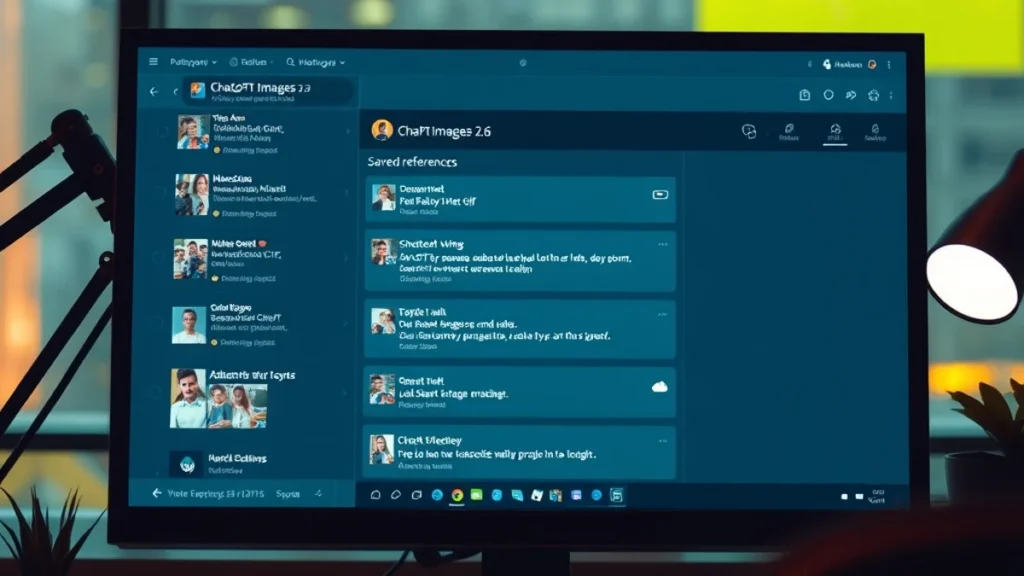
The recent release of ChatGPT Images 2.6 marks a significant leap in generative AI capabilities, introducing GIF support, saved references, and a remarkable 50% increase in output speed. This update not only enhances user experience but also sets a new benchmark for real-time multimedia generation in enterprise applications.
Transformative Features: GIF Integration and Enhanced Reference Management
The inclusion of GIFs in ChatGPT Images 2.6 represents a pivotal shift in how users can interact with AI-generated content. GIFs, known for their ability to convey emotions and narratives succinctly, can now be seamlessly integrated into workflows, enriching communication in both professional and creative settings. This feature allows users to generate animated content that can be used in presentations, marketing materials, or social media campaigns, thus broadening the scope of applications for businesses looking to engage audiences dynamically.
Moreover, the addition of saved references is a game-changer for users who require consistency and context in their projects. By allowing users to save and retrieve previous outputs, ChatGPT Images 2.6 facilitates a more coherent creative process. This feature is particularly beneficial for teams working on long-term projects or those that require iterative design processes. It not only saves time but also enhances collaboration by providing a shared reference point for team members, ultimately leading to more cohesive outcomes.
Architectural Enhancements: Speed and Efficiency at Scale
The reported 50% increase in output speed is a critical advancement that addresses one of the primary challenges in AI-generated content: latency. In enterprise environments where time is of the essence, faster output translates to improved productivity and responsiveness. This enhancement is likely the result of optimized algorithms and more efficient resource allocation within the underlying architecture of the model.
The architectural improvements also suggest a shift towards more scalable solutions, allowing organizations to deploy ChatGPT Images 2.6 in high-demand scenarios without compromising performance. For developers and technologists, this means that the model can handle larger datasets and more complex queries without the bottlenecks typically associated with generative AI. As businesses increasingly rely on real-time data and multimedia content, the ability to generate high-quality images and animations swiftly will be invaluable.
Implications for Enterprise Deployment: Workflow Automation and Integration
The advancements in ChatGPT Images 2.6 come at a time when enterprises are actively seeking to integrate AI into their workflows. The ability to generate GIFs and manage references efficiently opens up new avenues for automation. For instance, marketing teams can automate the creation of promotional content that resonates with target audiences, while product teams can quickly visualize concepts and iterate designs based on real-time feedback.
Furthermore, the integration of this AI model into existing content management systems and collaboration tools can streamline workflows significantly. By embedding ChatGPT Images 2.6 into platforms such as Slack, Microsoft Teams, or project management software, organizations can enhance their communication strategies and foster a more innovative culture. The potential for cross-functional collaboration increases as teams can leverage AI-generated visuals to support their narratives, making presentations more engaging and impactful.
Security and Compliance: Navigating the Challenges of AI Content Generation
As with any technological advancement, the integration of ChatGPT Images 2.6 into enterprise environments raises important questions about security and compliance. The ability to generate and store multimedia content introduces new vectors for data breaches and intellectual property concerns. Organizations must ensure that their use of AI-generated content aligns with legal and ethical standards, particularly in regulated industries.
Moreover, the saved references feature necessitates robust data management practices to protect sensitive information. Companies will need to implement strict access controls and monitoring mechanisms to mitigate risks associated with unauthorized access to generated content. As enterprises adopt AI solutions, the focus on security and compliance will be paramount, requiring a collaborative effort between IT, legal, and operational teams to establish best practices.
Strategic Positioning: Competing in a Crowded AI Landscape
The release of ChatGPT Images 2.6 positions OpenAI strategically against both established players and emerging startups in the generative AI space. With its enhanced capabilities, OpenAI is not only improving its product offering but also reinforcing its brand as a leader in AI innovation. The integration of GIFs and the focus on speed and efficiency could attract a diverse range of users, from content creators to corporate teams, thereby expanding its market share.
However, competition remains fierce. Companies like Midjourney and DALL-E are continuously evolving their offerings, and the landscape is characterized by rapid technological advancements. OpenAI’s ability to maintain a competitive edge will depend on its commitment to ongoing innovation and responsiveness to user feedback. As enterprises increasingly seek tailored solutions, the adaptability of ChatGPT Images 2.6 will be crucial in meeting the diverse needs of its user base.
For in-depth hardware benchmarks, AI workflow guides, and emerging technology reviews, continue exploring our Tech & AI coverage below.