
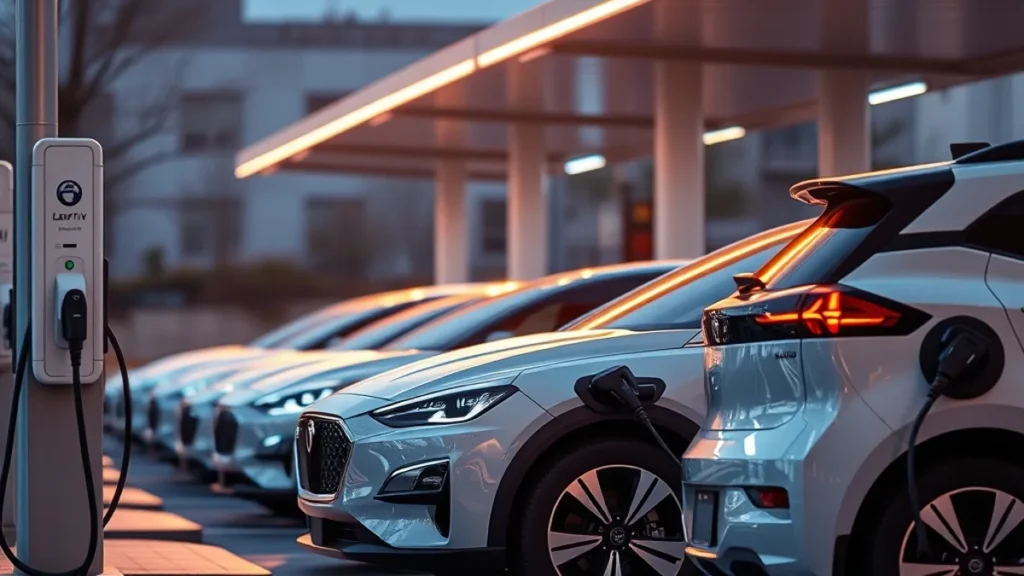
The global electric vehicle (EV) landscape is evolving at an unprecedented pace, yet the journey towards electrification is marked by stark contrasts across different regions. While some countries race ahead with ambitious targets and robust infrastructure, others lag behind, grappling with economic and regulatory hurdles. This report delves into the current state of global EV adoption, highlighting key trends, innovations, and market dynamics that define this electrifying automotive revolution.
Accelerating Adoption: Regional Leaders and Their Strategies
In the race to electrification, countries like Norway, China, and Germany have emerged as frontrunners, each employing unique strategies to foster EV adoption. Norway, for instance, boasts the highest per capita EV ownership globally, with over 54% of new car sales in 2022 being electric. This remarkable achievement is largely attributed to aggressive government incentives, including tax exemptions, free tolls, and access to bus lanes. The Norwegian model showcases how a comprehensive policy framework can create a conducive environment for EV growth.
China, on the other hand, has taken a different approach, leveraging its vast manufacturing capabilities to become the world’s largest EV market. With over 6 million electric vehicles sold in 2022, China’s dominance is supported by substantial investments in battery technology and a sprawling charging infrastructure. The government’s commitment to reducing carbon emissions has spurred local manufacturers like BYD and NIO to innovate rapidly, pushing the boundaries of range and performance.
Germany, the heart of the European automotive industry, is also making significant strides. With a focus on transitioning its traditional automotive giants towards electric mobility, the German government has set a target of 15 million electric vehicles on the road by 2030. This ambitious goal is supported by substantial subsidies and a commitment to expanding charging networks, particularly in urban areas. However, challenges remain, including the need for more extensive battery recycling solutions and the integration of renewable energy sources into the EV ecosystem.
Battery Innovations: The Heart of Electrification
At the core of the EV revolution lies the battery technology that powers these vehicles. Recent breakthroughs in battery chemistry and design are reshaping the landscape, enhancing range, reducing costs, and improving sustainability. Solid-state batteries, for instance, promise to deliver higher energy densities and faster charging times compared to traditional lithium-ion batteries. Companies like QuantumScape are at the forefront of this innovation, with prototypes demonstrating the potential for over 500 miles of range on a single charge.
Moreover, advancements in battery recycling processes are becoming increasingly critical as the number of EVs on the road grows. The ability to reclaim valuable materials like lithium, cobalt, and nickel not only mitigates environmental concerns but also reduces dependence on raw material extraction. Companies such as Redwood Materials are pioneering closed-loop recycling systems, ensuring that the lifecycle of EV batteries is as sustainable as their operation.
As automakers invest heavily in battery research and development, the competition to produce the most efficient and cost-effective battery solutions is intensifying. Tesla’s ongoing partnership with Panasonic and its Gigafactory in Nevada exemplify the scale of investment required to dominate this critical segment of the EV market.
Charging Infrastructure: Bridging the Gap to Mass Adoption
While advancements in EV technology are crucial, the success of electric vehicles hinges significantly on the availability and accessibility of charging infrastructure. In regions like California, where over 1 million electric vehicles are registered, the state has made substantial investments in expanding its charging network. The California Energy Commission has allocated millions in funding to install fast chargers along major highways and in urban centers, addressing range anxiety and making EV ownership more appealing.
However, the situation is markedly different in many developing nations, where charging infrastructure remains sparse. In India, for instance, the government has set a target of 30% electric vehicle sales by 2030, but the lack of a robust charging network poses a significant barrier. Initiatives like the Faster Adoption and Manufacturing of Electric Vehicles (FAME) scheme aim to incentivize the installation of charging stations, but progress has been slow.
Partnerships between automakers and charging network providers are becoming increasingly common as companies seek to enhance the charging experience for consumers. Tesla’s Supercharger network serves as a prime example of how proprietary charging solutions can create a seamless ownership experience, while companies like ChargePoint and Electrify America are working to establish comprehensive networks that cater to a broader range of EV models.
Market Dynamics: Competition and Consumer Preferences
As the EV market matures, competition among automakers intensifies, leading to a diverse array of models catering to various consumer preferences. Traditional automakers like Ford and General Motors are pivoting towards electric models, with Ford’s Mustang Mach-E and GM’s Chevrolet Bolt EV gaining traction in the market. Meanwhile, new entrants like Rivian and Lucid Motors are carving out niches with high-performance electric trucks and luxury sedans, respectively.
Consumer preferences are also shifting, with buyers increasingly prioritizing range, performance, and technology features. The rise of over-the-air (OTA) updates has transformed the ownership experience, allowing manufacturers to enhance vehicle performance and add new features long after the sale. This capability is particularly appealing to tech-savvy consumers who expect continuous improvements in their vehicles.
Additionally, the growing awareness of environmental issues is influencing purchasing decisions. Many consumers are now considering the carbon footprint of their vehicles, leading to increased interest in sustainable practices within the automotive industry. Automakers are responding by emphasizing eco-friendly materials and production processes, further aligning their brands with the values of environmentally conscious consumers.
Economic Factors: The Total Cost of Ownership and Incentive Landscape
As electric vehicles gain popularity, understanding the total cost of ownership (TCO) becomes essential for potential buyers. While the upfront cost of EVs has traditionally been higher than that of internal combustion engine (ICE) vehicles, the gap is narrowing due to declining battery prices and increased competition. According to recent studies, the TCO for EVs is increasingly favorable, especially when considering lower fuel and maintenance costs.
Government incentives play a pivotal role in making EVs more accessible to consumers. In the United States, the federal tax credit of up to $7,500, along with state-level incentives, can significantly reduce the purchase price of electric vehicles. However, the landscape is evolving, with discussions around phasing out these incentives as the market matures. This uncertainty could impact consumer decisions, making it crucial for potential buyers to stay informed about the latest developments.
Moreover, the rise of subscription models and leasing options is changing the way consumers approach EV ownership. Companies like Canoo and Rivian are offering flexible subscription services that allow customers to experience electric vehicles without the long-term commitment of ownership. This trend could further accelerate EV adoption, particularly among urban dwellers who may not require a vehicle year-round.
In conclusion, the global electric vehicle market is a dynamic and multifaceted landscape, characterized by varying rates of adoption, technological advancements, and shifting consumer preferences. As regions continue to electrify at different speeds, understanding these complexities will be crucial for stakeholders across the automotive ecosystem.
To stay ahead of electric vehicle market shifts, smart ownership tips, and automotive insurance strategies, continue reading our Auto & Mobility section below.
This article is provided for general informational purposes only and does not constitute financial, tax, legal, or medical advice. Consult a qualified professional before making decisions based on this content.