
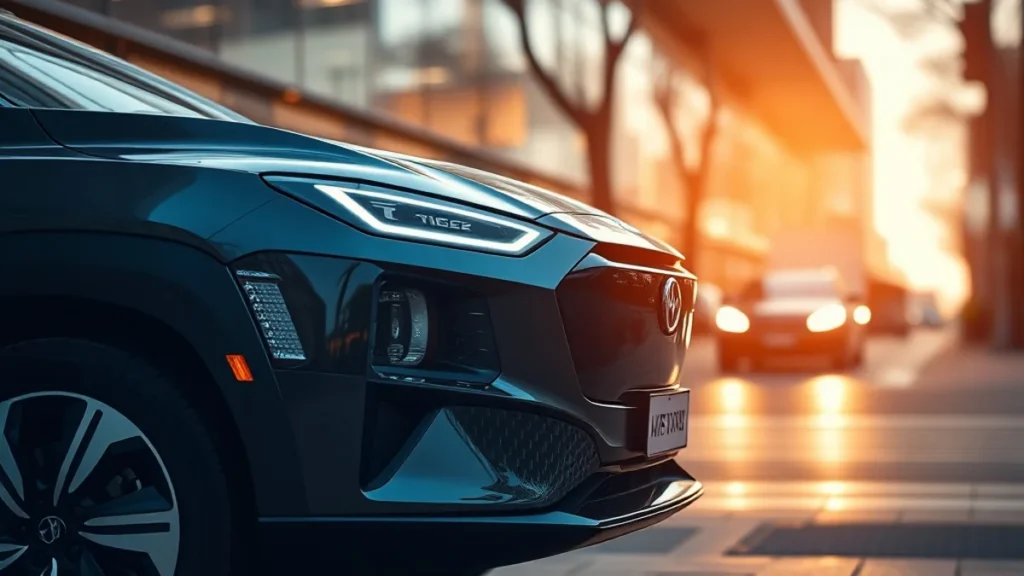
The latest industry forecasts reveal a significant shift in the trajectory of vehicle electrification, with hybrids emerging as a compelling alternative to fully electric vehicles (EVs). As automakers pivot to meet evolving consumer preferences and regulatory pressures, hybrids are gaining traction, offering a balanced approach to sustainability and performance.
Powertrain Innovations: The Hybrid Advantage
As automakers invest heavily in hybrid technology, the latest models showcase remarkable advancements in powertrain efficiency and performance. The integration of smaller, turbocharged internal combustion engines with robust electric motors allows hybrids to achieve impressive fuel economy without sacrificing driving enjoyment. For instance, the Toyota RAV4 Hybrid boasts a combined output of 219 horsepower while achieving an EPA-estimated 40 mpg in the city and 38 mpg on the highway, making it a frontrunner in the compact SUV segment.
Moreover, the latest battery technologies have significantly enhanced the electric-only range of hybrids. The Ford Escape Hybrid, for example, offers an electric-only range of approximately 37 miles, allowing drivers to complete short commutes without engaging the gasoline engine. This duality not only alleviates range anxiety but also positions hybrids as versatile options for both urban and rural drivers.
Cabin Technology: Merging Comfort with Connectivity
Modern hybrids are not just about efficiency; they also prioritize driver and passenger experience. The latest models are equipped with cutting-edge infotainment systems that integrate seamlessly with smartphones and smart home devices. The Honda Accord Hybrid, for example, features a 12.3-inch touchscreen with wireless Apple CarPlay and Android Auto, ensuring that drivers remain connected without compromising safety.
In addition to connectivity, hybrids are increasingly incorporating advanced driver-assistance systems (ADAS) that enhance safety and convenience. Features such as adaptive cruise control, lane-keeping assist, and automatic emergency braking are becoming standard, making hybrids not only more appealing but also safer than their purely gasoline-powered counterparts. This focus on technology and safety is crucial as consumers become more discerning about the vehicles they choose.
Evaluating Total Cost of Ownership: A Pragmatic Perspective
When considering a hybrid, potential buyers must evaluate the total cost of ownership (TCO), which encompasses not only the purchase price but also maintenance, fuel costs, and potential incentives. While hybrids typically have a higher upfront cost compared to traditional vehicles, the long-term savings can be substantial. For instance, federal tax credits and state incentives can significantly offset initial expenses, making hybrids financially attractive.
Additionally, hybrids often require less maintenance than conventional vehicles due to their reliance on electric power for many driving scenarios. This translates to fewer oil changes and reduced wear on the engine, further enhancing their appeal. According to a study by the Automotive Research Center, hybrid owners can expect to save an average of $1,200 over five years in maintenance costs compared to traditional gasoline vehicles.
Market Dynamics: Hybrids vs. Full EVs and Traditional Combustion Engines
The competitive landscape for hybrids is evolving as automakers ramp up their electrification strategies. While fully electric vehicles are often touted as the future of transportation, hybrids provide a practical bridge for consumers hesitant to make the leap to full electrification. The Ford Maverick, a compact pickup that offers a hybrid variant, exemplifies this trend, appealing to a demographic that values utility without sacrificing efficiency.
Moreover, as charging infrastructure continues to develop, the hybrid market is poised to capture a significant share of consumers who prioritize convenience and flexibility. The recent surge in gas prices has further fueled interest in hybrids, as consumers seek vehicles that offer the best of both worlds—lower emissions and the ability to refuel quickly at traditional gas stations.
Consumer Sentiment: Shifting Attitudes Towards Electrification
Consumer attitudes towards vehicle electrification are shifting, with many buyers now viewing hybrids as a viable alternative to both traditional combustion engines and fully electric vehicles. A recent survey conducted by the Automotive Consumer Insights Group revealed that 62% of respondents are open to purchasing a hybrid vehicle, citing concerns about charging infrastructure and range anxiety as primary factors influencing their decision.
This sentiment is echoed by automakers who are increasingly prioritizing hybrid offerings in their lineups. Brands like Hyundai and Kia are expanding their hybrid portfolios, recognizing the growing demand for vehicles that offer both efficiency and performance. As consumers become more educated about the benefits of hybrids, the market is likely to see continued growth in this segment.
In conclusion, as the automotive industry navigates the complexities of electrification, hybrids are carving out a significant niche. With their innovative powertrains, advanced technology, and favorable total cost of ownership, hybrids are emerging as a practical choice for a diverse range of consumers. As automakers continue to refine their hybrid offerings, the future looks promising for this versatile segment of the market.
To stay ahead of electric vehicle market shifts, smart ownership tips, and automotive insurance strategies, continue reading our Auto & Mobility section below.