
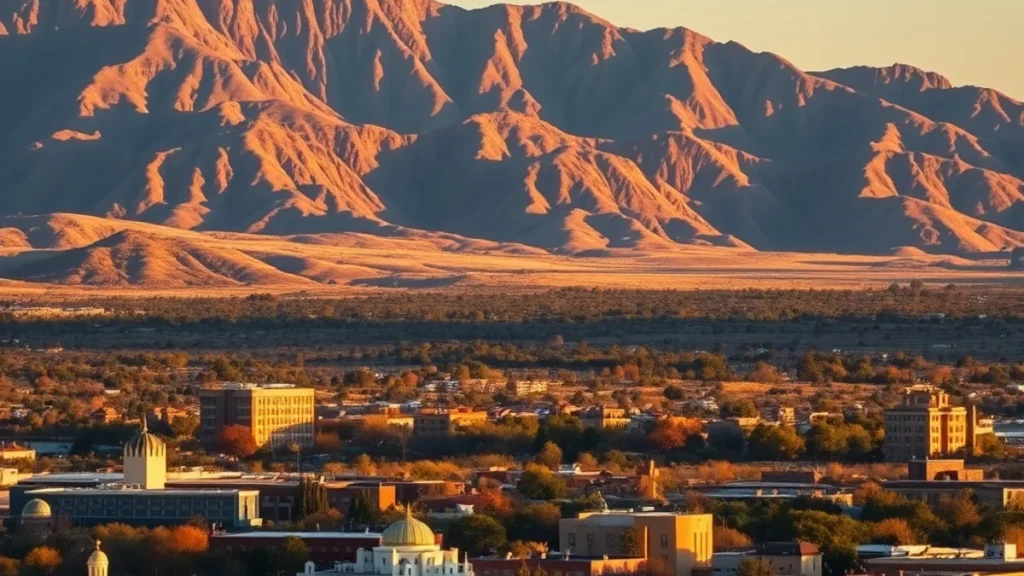
As New Mexico eliminates state taxes on Social Security benefits for most retirees, the question arises: can you realistically retire in Albuquerque relying solely on Social Security? With the cost of living in Albuquerque being relatively moderate compared to national averages, this policy shift presents both opportunities and challenges for those considering retirement in this vibrant city.
Understanding the Financial Landscape of Albuquerque
Albuquerque, the largest city in New Mexico, boasts a unique blend of cultural richness and natural beauty, making it an attractive destination for retirees. The median home price in Albuquerque is approximately $300,000, significantly lower than the national average, which hovers around $400,000. Moreover, the overall cost of living in Albuquerque is about 4% lower than the national average, according to data from the Council for Community and Economic Research. This affordability is crucial for retirees who depend on fixed incomes, such as Social Security.
As of 2023, the average monthly Social Security benefit is approximately $1,800, which translates to $21,600 annually. For many retirees, this amount may seem insufficient when considering essential expenses such as housing, healthcare, and daily living costs. However, the elimination of state taxes on Social Security benefits can enhance the purchasing power of these funds, allowing retirees to stretch their budgets further.
Cost of Living Considerations: Housing, Healthcare, and Daily Expenses
Housing remains one of the most significant expenses for retirees. In Albuquerque, the average rent for a one-bedroom apartment is around $1,200 per month, while a two-bedroom unit averages about $1,500. For those who own their homes, property taxes are relatively low, averaging 0.66% of assessed value, which is below the national average of 1.07%. This favorable tax environment can help retirees manage their housing costs more effectively.
Healthcare costs are another critical factor. New Mexico has a higher-than-average rate of uninsured residents, but retirees can access Medicare, which covers a substantial portion of healthcare expenses. The average annual premium for Medicare Part B is approximately $1,800, and out-of-pocket costs can vary widely based on individual health needs. Retirees should also consider additional insurance options to cover gaps in Medicare, which can add to their monthly expenses.
Daily living expenses, including groceries, transportation, and utilities, are also essential to consider. Albuquerque’s grocery prices are about 5% lower than the national average, and utility costs are on par with national figures. However, transportation can be a variable expense, especially for those who rely on personal vehicles. The average cost of gasoline in Albuquerque is currently around $3.50 per gallon, which can impact retirees who frequently travel or commute.
Leveraging the Tax Advantage: Maximizing Social Security Benefits
The recent decision to stop taxing Social Security benefits for most retirees in New Mexico is a game-changer. This policy shift means that retirees can retain more of their Social Security income, allowing them to allocate funds toward other essential expenses. For instance, a retiree receiving the average Social Security benefit of $21,600 annually will now have the full amount available for spending, rather than losing a portion to state taxes.
To maximize the benefits of this tax advantage, retirees should consider strategies such as delaying Social Security benefits to increase future payouts. By postponing benefits until full retirement age or even age 70, individuals can receive up to 132% of their primary insurance amount, significantly enhancing their financial security in later years. Additionally, retirees can explore other income sources, such as part-time work or investment income, to supplement their Social Security and further improve their financial standing.
Retirement Planning: Budgeting and Financial Strategies
Effective retirement planning is essential for those relying on Social Security alone. Creating a detailed budget that accounts for all expected expenses is crucial. Retirees should categorize their expenses into fixed costs (housing, insurance, and healthcare) and variable costs (entertainment, travel, and dining). This approach allows for a clearer understanding of how far Social Security benefits will stretch.
Moreover, retirees should consider establishing an emergency fund to cover unexpected expenses. Financial advisors often recommend setting aside three to six months’ worth of living expenses in a liquid savings account. This buffer can provide peace of mind and prevent retirees from dipping into their Social Security income for unplanned costs.
Investing in low-cost index funds or conservative income-generating assets can also be a prudent strategy for those with some savings. While the focus here is on Social Security, having a diversified portfolio can provide additional income streams, helping to alleviate financial stress during retirement.
Community Resources and Support for Retirees
Albuquerque offers a variety of community resources aimed at supporting retirees. Local organizations provide services ranging from financial counseling to health and wellness programs. The New Mexico Aging and Long-Term Services Department offers various resources, including assistance with Medicare and Medicaid, which can be invaluable for retirees navigating the complexities of healthcare.
Additionally, social engagement is crucial for a fulfilling retirement. Albuquerque’s vibrant arts scene, outdoor activities, and community events provide ample opportunities for retirees to connect with others, enhancing their quality of life. Engaging in local clubs or volunteer opportunities can also help retirees maintain a sense of purpose and community involvement.
In conclusion, while retiring in Albuquerque solely on Social Security presents challenges, the recent tax policy change significantly improves the feasibility of this option. With careful budgeting, strategic planning, and leveraging community resources, retirees can create a sustainable lifestyle in this culturally rich city. The key lies in understanding the financial landscape and making informed decisions that align with individual needs and goals.
For more practical guides on wealth preservation, retirement strategies, and federal benefit updates, continue exploring our Smart Money coverage below.