
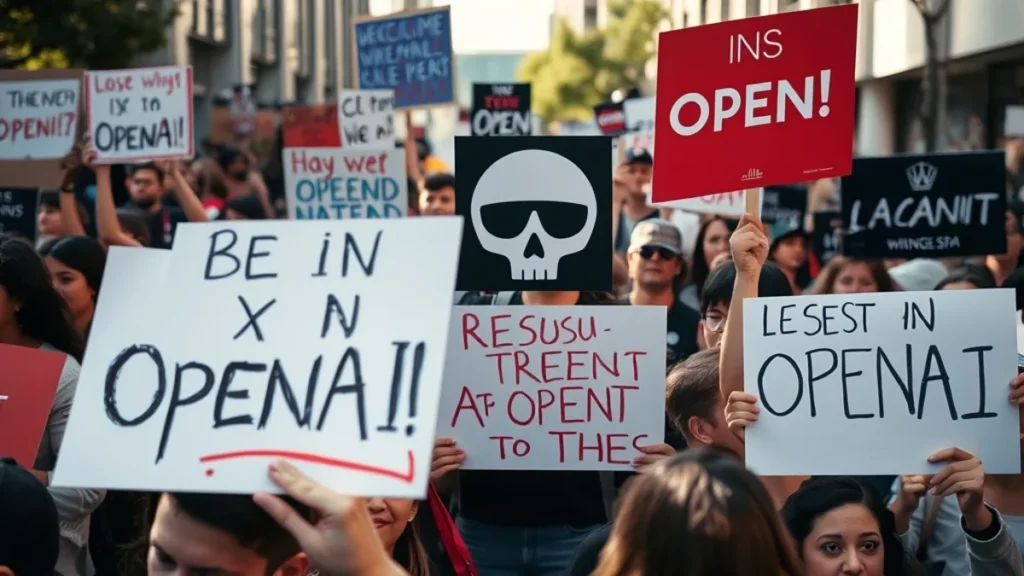
In a striking clash between student activism and institutional policy, San Diego State University (SDSU) students have taken to the streets to protest the university’s endorsement of OpenAI’s tools, arguing that such technologies exacerbate educational inequities. This protest raises critical questions about the role of AI in academia, the ethical implications of its deployment, and the responsibilities of educational institutions in navigating this rapidly evolving landscape.
AI in Academia: A Double-Edged Sword
The integration of artificial intelligence into educational frameworks presents both opportunities and challenges. On one hand, AI tools like OpenAI’s ChatGPT can enhance learning experiences by providing personalized tutoring, facilitating research, and streamlining administrative tasks. However, the SDSU protests highlight a growing concern: the potential for AI to widen the gap between students who have access to these advanced tools and those who do not. Critics argue that reliance on AI can diminish critical thinking skills and reduce the richness of the educational experience, as students may lean too heavily on technology for answers rather than engaging deeply with the material.
Moreover, the ethical implications of AI use in education cannot be overlooked. The SDSU protestors emphasize the need for transparency in how these tools are implemented and the potential biases inherent in AI algorithms. As universities increasingly adopt AI technologies, they must grapple with the responsibility of ensuring equitable access and fostering an environment where technology serves as a complement to, rather than a replacement for, traditional learning methods.
Institutional Responses: Balancing Innovation with Responsibility
In response to the protests, SDSU has defended its decision to provide access to OpenAI’s tools, framing it as a necessary step towards preparing students for a workforce increasingly dominated by AI technologies. The university argues that exposure to these tools is essential for developing skills that will be crucial in various industries. This perspective aligns with a broader trend in higher education, where institutions are striving to integrate cutting-edge technology into curricula to maintain relevance in an ever-evolving job market.
However, the university’s stance raises questions about the potential consequences of such a strategy. While the intent is to equip students with valuable skills, the lack of a comprehensive framework for ethical AI use and accessibility could lead to unintended consequences. Institutions must consider how to implement AI tools responsibly, ensuring that they do not inadvertently reinforce existing inequalities or compromise educational integrity.
The Role of Student Activism in Shaping AI Policy
The SDSU protests underscore the critical role that student activism plays in shaping institutional policies regarding technology use. As digital natives, today’s students possess a unique understanding of the implications of AI and are increasingly vocal about their concerns. This activism is not limited to SDSU; similar movements are emerging across campuses nationwide, as students demand a say in how technology is integrated into their educational experiences.
The protests at SDSU serve as a reminder that universities must engage with their student bodies when making decisions about technology adoption. By fostering open dialogue and incorporating student feedback, institutions can develop more inclusive policies that address the diverse needs of their student populations. This collaborative approach not only enhances the educational experience but also empowers students to take an active role in shaping the future of their institutions.
Ethical Considerations: Navigating the AI Landscape
As universities like SDSU navigate the complexities of AI integration, ethical considerations must remain at the forefront of discussions. The potential for bias in AI algorithms, data privacy concerns, and the implications of surveillance technologies are all critical issues that require careful examination. Institutions must establish clear ethical guidelines for AI use, ensuring that they prioritize student welfare and uphold academic integrity.
Furthermore, the development of AI literacy programs can equip students with the knowledge necessary to critically assess the tools they are using. By fostering an understanding of the ethical implications of AI, universities can empower students to engage with technology in a responsible and informed manner. This approach not only enhances the educational experience but also prepares students to navigate the ethical dilemmas they may encounter in their future careers.
Future Implications: The Path Forward for AI in Education
Looking ahead, the intersection of AI and education presents both challenges and opportunities. As institutions like SDSU continue to explore the potential of AI tools, they must remain vigilant in addressing the concerns raised by students and other stakeholders. The ongoing dialogue surrounding AI in academia will likely shape the future landscape of education, influencing everything from curriculum design to student support services.
To strike the right balance between innovation and responsibility, universities must prioritize transparency, inclusivity, and ethical considerations in their AI initiatives. By doing so, they can create an educational environment that not only embraces technological advancements but also fosters critical thinking, creativity, and collaboration among students.
In conclusion, the SDSU protests serve as a pivotal moment in the ongoing conversation about AI in education. As institutions grapple with the implications of these technologies, they must remain committed to fostering an equitable and inclusive learning environment. The future of AI in academia hinges on the ability of universities to navigate these challenges thoughtfully and responsibly.
For in-depth hardware benchmarks, AI workflow guides, and emerging technology reviews, continue exploring our Tech & AI coverage below.