
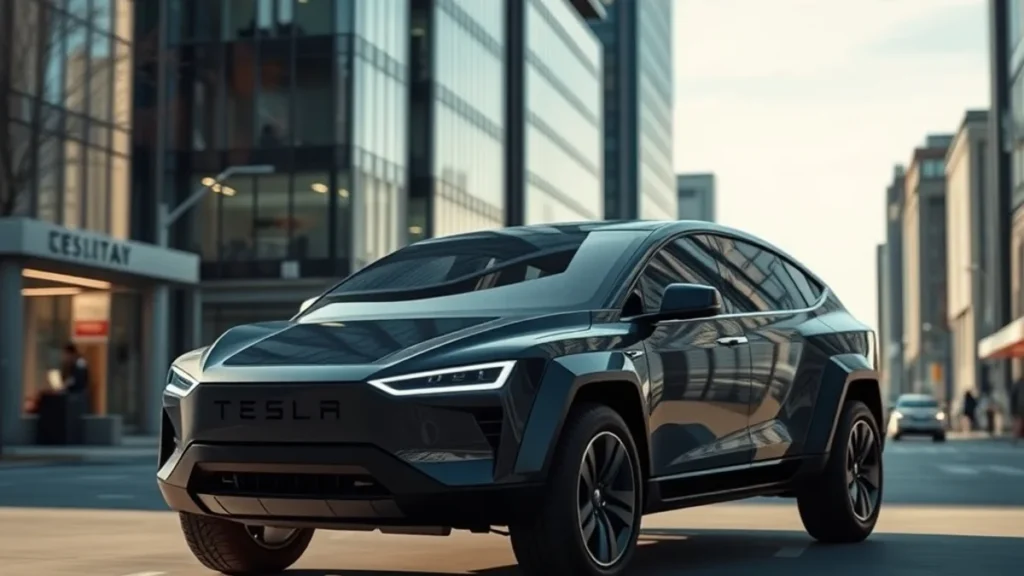
Tesla’s Cybertruck, a vehicle that has captured the imagination of automotive enthusiasts and skeptics alike, is finally on the cusp of production after years of anticipation and controversy. With its radical design and ambitious promises, the Cybertruck represents a bold step into the future of electric vehicles, but it also faces significant challenges as it prepares to enter a competitive market.
Revolutionary Design: A Love It or Hate It Proposition
The Cybertruck’s design is arguably its most polarizing feature. With its angular, stainless-steel exoskeleton and futuristic aesthetic, it stands in stark contrast to traditional pickup trucks. This bold design choice is not merely for show; it is engineered for durability and performance. The body is made from ultra-hard 30X cold-rolled stainless steel, which Tesla claims offers superior protection against dents and corrosion. The vehicle’s unique shape also contributes to its aerodynamics, a crucial factor in maximizing range and efficiency.
However, the design has drawn criticism for its unconventional appearance. Many consumers are uncertain whether they can embrace a vehicle that looks so different from established norms. The Cybertruck’s design is emblematic of Tesla’s ethos: to challenge the status quo. Yet, this very challenge may alienate potential buyers who prefer a more traditional aesthetic in their trucks.
Powertrain Innovations: Performance Meets Sustainability
Underneath the striking exterior, the Cybertruck boasts impressive powertrain options that cater to a variety of consumer needs. Tesla has announced three configurations: a single motor rear-wheel drive, a dual motor all-wheel drive, and a tri-motor all-wheel drive variant. The top-tier tri-motor version is expected to achieve 0-60 mph in under 2.9 seconds, positioning it as one of the fastest production trucks on the market.
Range is another critical factor in the Cybertruck’s appeal. The single motor variant is projected to deliver a range of over 250 miles, while the dual and tri-motor versions are expected to exceed 300 miles. These figures place the Cybertruck in a competitive position against other electric pickups, such as the Ford F-150 Lightning and Rivian R1T. Tesla’s proprietary battery technology, combined with its extensive Supercharger network, promises to alleviate range anxiety, a common concern among potential EV buyers.
Interior Experience: Tech-Forward Cabin with Practical Features
Inside, the Cybertruck continues to push boundaries with a minimalist design that emphasizes functionality. The cabin features a 17-inch touchscreen interface that controls most of the vehicle’s functions, from navigation to climate control. This tech-centric approach may appeal to younger, tech-savvy consumers but could be daunting for those accustomed to more traditional dashboards.
Seating capacity is designed for six, with a spacious interior that offers ample legroom and headroom. The materials used in the cabin are reportedly durable and easy to clean, making the Cybertruck a practical choice for those who plan to use it for work or outdoor adventures. Tesla’s Autopilot capabilities are also integrated into the Cybertruck, providing advanced driver-assistance features that enhance safety and convenience.
Market Dynamics: Navigating Competition and Consumer Sentiment
The arrival of the Cybertruck comes at a time of intense competition in the electric vehicle market. Established automakers like Ford and General Motors are ramping up their electric offerings, while newcomers such as Rivian and Lucid Motors are carving out their niches. The Cybertruck’s unique design and performance metrics set it apart, but it must also contend with consumer perceptions and brand loyalty in a market that is rapidly evolving.
Consumer sentiment toward Tesla has been mixed, especially following the company’s recent price adjustments and production delays. While Tesla remains a leader in the EV space, its reputation has been marred by quality control issues and concerns over service availability. The Cybertruck’s success will depend not only on its performance but also on Tesla’s ability to deliver a reliable product that meets consumer expectations.
Cost Considerations: Evaluating Value in a Competitive Landscape
Pricing for the Cybertruck starts at $39,900 for the single motor variant, with the dual motor and tri-motor versions priced at $49,900 and $69,900, respectively. While these figures position the Cybertruck competitively against traditional gas-powered trucks, potential buyers must consider the total cost of ownership (TCO) when evaluating the vehicle’s value.
Factors such as fuel savings, maintenance costs, and potential tax incentives for electric vehicle purchases can significantly influence the TCO. Tesla’s vehicles are known for their lower maintenance requirements compared to internal combustion engine vehicles, which can further enhance their appeal. Additionally, federal and state incentives for EV purchases can offset initial costs, making the Cybertruck an attractive option for eco-conscious consumers.
However, the Cybertruck’s pricing strategy may also deter some buyers, particularly those who are accustomed to lower-priced traditional trucks. As the market for electric pickups expands, Tesla must navigate these pricing dynamics carefully to capture a broad audience.
In summary, Tesla’s Cybertruck is poised to make a significant impact on the electric vehicle market, but it faces a complex landscape of consumer preferences, competitive pressures, and economic considerations. Its radical design and impressive performance metrics may attract a dedicated following, but the company must address consumer concerns and maintain quality to ensure its long-term success.
To stay ahead of electric vehicle market shifts, smart ownership tips, and automotive insurance strategies, continue reading our Auto & Mobility section below.