
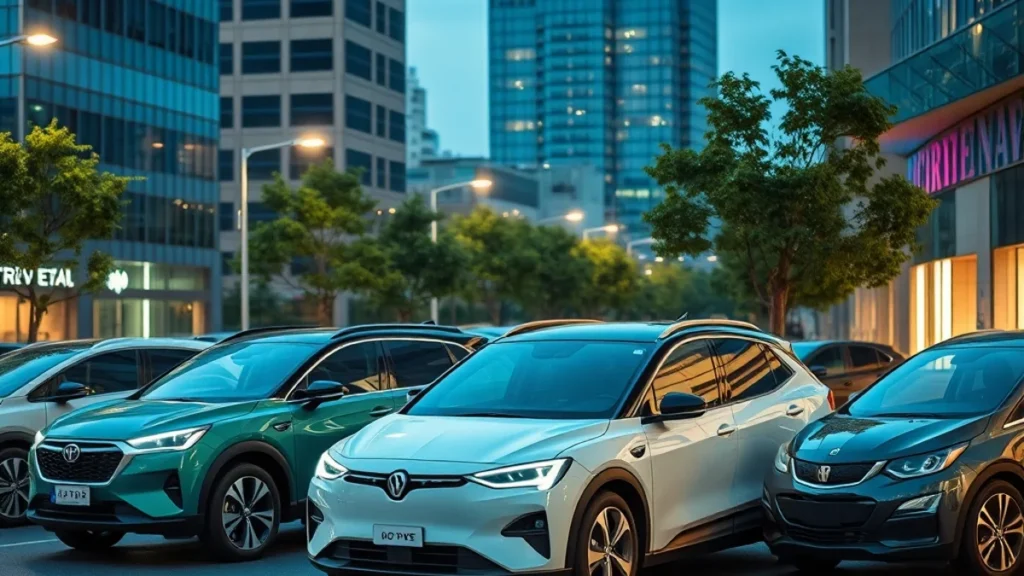
Electric vehicles (EVs), hybrids, and plug-in hybrid electric vehicles (PHEVs) are reshaping the automotive landscape in the United States, making sustainable transportation both affordable and accessible. With advancements in technology, government incentives, and a growing focus on environmental sustainability, these powertrains are no longer niche options but viable choices for everyday consumers. This shift matters as it democratizes access to cleaner energy vehicles, impacting not just individual buyers but also communities and the broader economy.
Contextual Background on Powertrains in the U.S.
The automotive industry has witnessed a significant transformation over the past two decades, primarily driven by technological advancements and a heightened awareness of climate change. Historically, the U.S. has been heavily reliant on fossil fuels, with gasoline-powered vehicles dominating the market. However, the introduction of EVs and hybrids in the early 2000s marked the beginning of a new era. The Toyota Prius, launched in 1997, was one of the first mass-produced hybrids, paving the way for a variety of models that would follow.
Government policies have played a crucial role in this transition. The federal government, along with various state initiatives, has introduced tax credits, rebates, and incentives aimed at encouraging consumers to consider greener alternatives. For instance, the federal tax credit for EV purchases can be up to $7,500, significantly lowering the upfront cost for buyers. Additionally, states like California have implemented stricter emissions regulations, further pushing manufacturers to innovate and produce more efficient vehicles.
As of 2023, the market has expanded to include a diverse range of EVs, hybrids, and PHEVs, catering to different consumer needs and budgets. Major manufacturers like Tesla, Ford, and General Motors are investing heavily in electric technology, while traditional automakers are transitioning their fleets to include more hybrid and electric options. This evolution is not just about reducing emissions; it also reflects changing consumer preferences, with many buyers now prioritizing sustainability alongside performance and cost.
| Powertrain Type | Description | Average Price (2023) | Range (Miles) | Fuel Efficiency (MPGe) |
|---|---|---|---|---|
| Electric Vehicle (EV) | Runs entirely on electric power, charged via an external source. | $50,000 | 250-400 | 100-130 |
| Hybrid | Combines a gasoline engine with an electric motor for improved fuel efficiency. | $30,000 | 600-700 (combined) | 50-60 |
| Plug-in Hybrid Electric Vehicle (PHEV) | Can run on electric power alone for a limited range, with a gasoline engine for longer trips. | $40,000 | 20-50 (electric only), 400-500 (combined) | 70-90 |
Practical Implications for Consumers
The transition to EVs, hybrids, and PHEVs presents several practical implications for American consumers. First and foremost, the cost of ownership is a critical factor. While the initial purchase price of electric vehicles can be higher than traditional gasoline vehicles, the total cost of ownership often becomes more favorable over time. EVs typically have lower maintenance costs due to fewer moving parts and no need for oil changes. Additionally, electricity is generally cheaper than gasoline, leading to significant savings on fuel.
Moreover, the availability of charging infrastructure is expanding rapidly. Many urban areas now feature public charging stations, and home charging solutions are becoming more accessible. Consumers can take advantage of incentives for installing home charging stations, further enhancing the practicality of owning an EV or PHEV. This infrastructure growth is crucial for alleviating range anxiety, a common concern among potential EV buyers.
Financial incentives also play a significant role in making these vehicles more accessible. Beyond federal tax credits, many states offer additional rebates and incentives that can further reduce the purchase price. Consumers should research local incentives, as they can vary significantly by state and municipality. Furthermore, some utility companies provide special rates for EV charging, allowing owners to save even more on their energy bills.
Action Plan for Prospective Buyers
For American consumers looking to transition to an EV, hybrid, or PHEV, a strategic action plan can streamline the process. First, assess your driving habits and needs. Consider factors such as daily commute distance, access to charging stations, and family size. This evaluation will help determine which powertrain best suits your lifestyle.
Next, research available models within your budget. Utilize online tools and resources to compare features, prices, and reviews. Websites like Edmunds and Kelley Blue Book provide detailed insights into vehicle performance and ownership costs. Additionally, visit local dealerships to test drive different models and ask about any current promotions or incentives.
Once you have identified a suitable vehicle, explore financing options. Many manufacturers offer competitive financing rates for EVs and hybrids, and some credit unions provide special loans for green vehicles. Be sure to factor in potential savings from incentives and lower operating costs when calculating your budget. Finally, consider the long-term implications of your purchase, including resale value and environmental impact, to ensure that your choice aligns with your values and financial goals.
Frequently Asked Questions
What are the main differences between EVs, hybrids, and PHEVs?
EVs run solely on electric power, hybrids combine a gasoline engine with an electric motor, and PHEVs can operate on electric power for a limited range before switching to gasoline. Each offers different benefits in terms of efficiency and driving range.
Are there any government incentives for purchasing electric vehicles?
Yes, the federal government offers tax credits up to $7,500 for eligible EV purchases, and many states provide additional rebates and incentives. It’s essential to check local programs to maximize savings.
How do charging costs compare to gasoline costs?
Charging an EV is generally cheaper than fueling a gasoline vehicle. The cost of electricity varies by location, but on average, it can be significantly lower than the price of gasoline, leading to substantial savings over time.
To stay ahead of electric vehicle market shifts, smart ownership tips, and automotive insurance strategies, continue reading our Auto & Mobility section below.