
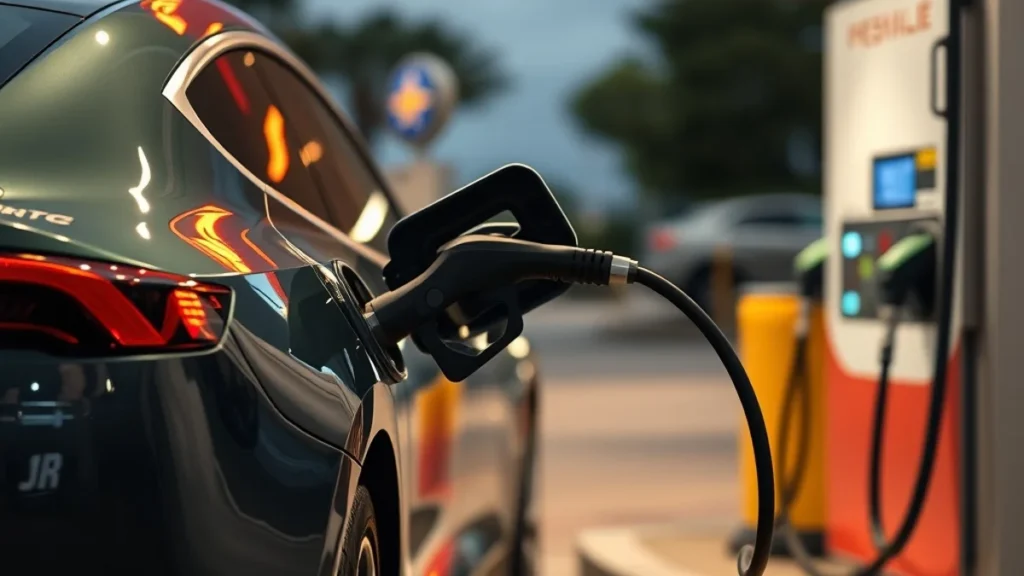
As the automotive industry pivots towards electrification, the transition from traditional fuel pumps to electric vehicle (EV) charging plugs represents a significant shift in operational dynamics for businesses. This evolution is crucial not only for environmental sustainability but also for economic viability, affecting fleet operators, retail outlets, and consumers alike.
Contextual Background: The Shift Towards Electric Vehicles
The automotive landscape has been undergoing a profound transformation over the past decade, driven by technological advancements, regulatory pressures, and shifting consumer preferences. The rise of electric vehicles (EVs) is not merely a trend; it reflects a fundamental change in how we think about transportation. Historically, the internal combustion engine dominated for over a century, but as awareness of climate change and air quality issues has grown, so too has the push for cleaner alternatives. Governments worldwide have enacted policies aimed at reducing greenhouse gas emissions, with many states setting ambitious targets for phasing out gasoline-powered vehicles.
In the United States, the Biden administration has proposed significant investments in EV infrastructure, aiming to install 500,000 charging stations by 2030. This initiative is part of a broader strategy to reduce carbon emissions by 50% from 2005 levels by 2030. As a result, businesses that rely on transportation are now faced with the urgent need to adapt to this new reality. The transition from fuel pumps to charging plugs is not just a logistical challenge; it also represents a substantial opportunity for cost savings and brand enhancement.
| Aspect | Traditional Vehicles | Electric Vehicles |
|---|---|---|
| Fuel Source | Gasoline/Diesel | Electricity |
| Maintenance Costs | Higher due to engine complexity | Lower, fewer moving parts |
| Emissions | High | Zero tailpipe emissions |
| Government Incentives | Limited | Tax credits and rebates available |
This table illustrates the fundamental differences between traditional vehicles and electric vehicles, highlighting the advantages of EVs in terms of maintenance, emissions, and available incentives. As businesses evaluate their transportation strategies, understanding these distinctions is critical for making informed decisions.
Practical Implications: Financial and Technical Analysis
Transitioning to electric vehicles offers numerous financial benefits for businesses. The initial investment in EVs may be higher than that of traditional vehicles; however, the total cost of ownership often favors electric options over time. Businesses can save significantly on fuel costs, as electricity is generally cheaper than gasoline or diesel. Furthermore, EVs typically require less maintenance due to fewer moving parts, translating into lower long-term operational costs.
In addition to direct savings, businesses can leverage government incentives to offset the initial costs. Many states offer tax credits, rebates, and grants for purchasing EVs and installing charging infrastructure. These financial incentives can significantly reduce the payback period for investments in electric fleets. Moreover, adopting EVs can enhance a company’s brand image, appealing to environmentally conscious consumers and stakeholders who prioritize sustainability.
However, businesses must also consider the technical implications of this transition. The availability of charging infrastructure is a critical factor; companies need to evaluate the feasibility of installing charging stations at their locations or partnering with existing networks. Additionally, businesses should assess the energy capacity of their facilities to support the increased demand from EV charging. Strategic planning in these areas can mitigate potential disruptions and ensure a smooth transition to electric mobility.
Step-by-Step Action Plan: Best Practices for Transitioning to EVs
For businesses looking to transition to electric vehicles, a structured approach can facilitate a seamless shift. Here’s a step-by-step action plan:
- Conduct a Fleet Assessment: Evaluate your current fleet to determine which vehicles can be replaced with EVs. Consider factors such as mileage, usage patterns, and operational needs.
- Research Incentives: Investigate federal, state, and local incentives available for EV purchases and charging infrastructure. This can significantly reduce upfront costs.
- Plan Charging Infrastructure: Assess your facility’s capacity for charging stations. Determine whether to install on-site chargers or utilize public charging networks.
- Train Staff: Provide training for employees on the use and maintenance of EVs. This ensures that staff are well-prepared to manage the transition.
- Monitor Performance: After transitioning, monitor the performance of the EV fleet closely. Track metrics such as fuel savings, maintenance costs, and employee satisfaction to gauge the success of the initiative.
By following this action plan, businesses can effectively navigate the complexities of transitioning to electric vehicles while maximizing the benefits associated with this shift.
Frequently Asked Questions
What are the main financial benefits of switching to electric vehicles?
The primary financial benefits include lower fuel costs, reduced maintenance expenses, and potential tax incentives that can offset the initial purchase price of EVs.
How can businesses ensure they have adequate charging infrastructure?
Businesses should assess their current energy capacity and evaluate the installation of on-site charging stations or partnerships with existing public charging networks to meet their needs.
What is the expected lifespan of electric vehicles compared to traditional vehicles?
Electric vehicles generally have a longer lifespan due to fewer moving parts, which reduces wear and tear. Many EV manufacturers offer warranties that extend up to eight years or 100,000 miles for the battery.
To stay ahead of electric vehicle market shifts, smart ownership tips, and automotive insurance strategies, continue reading our Auto & Mobility section below.